The Unseen Threads: How Silent Agreements Weave the Fabric of Civil Society
- Sciaria
- Civil
- Mar 26, 2026
- 0 Comments
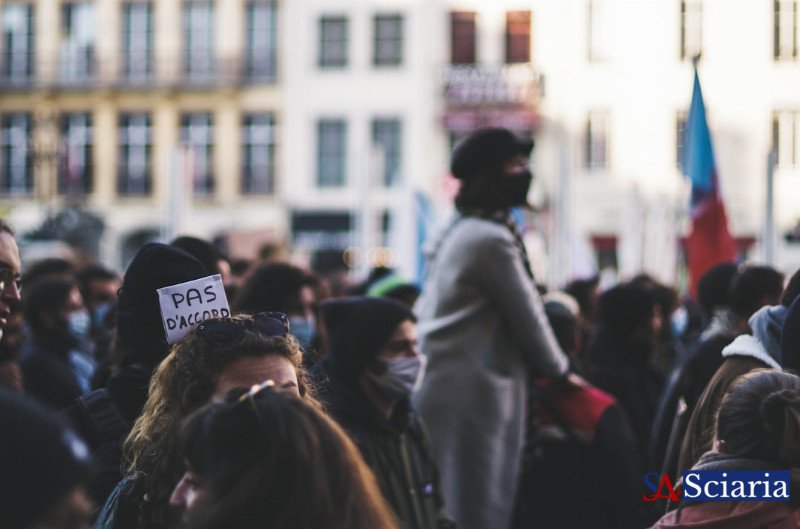
We often credit laws and formal institutions with maintaining order in society. Police, courts, governments – these are the visible structures that enforce rules and punish transgressions. But dig a little deeper, and you'll uncover a far more intricate, subtle network that truly underpins our daily civility: the "silent agreements." These aren't written down in any constitution or legal code, yet their power is immense, guiding our interactions, shaping our communities, and often preventing chaos before it even begins.
What exactly are these silent agreements? They encompass a vast array of social norms, shared values, and unspoken expectations that govern everything from queuing patiently at the store to offering help to a stranger, from moderating our voices in public to respecting personal space. It's the assumption that someone will hold the door open for you, or that you won't blare loud music late at night in a residential area. These are acts of reciprocal respect, empathy, and collective responsibility – habits of mind and behavior that we largely learn through observation, upbringing, and the subtle cues of our cultural environment.
The genius of these unwritten rules lies in their efficiency and pervasiveness. Laws are reactive, intervening after a breach has occurred. Silent agreements, however, are proactive; they create a baseline of predictable, considerate behavior that allows millions of people to coexist peacefully, navigate public spaces, and build trust without constant explicit instruction. Without them, even the most robust legal system would struggle to manage the sheer volume of potential conflicts. Imagine a society where every interaction required a lawyer present to ensure compliance; it would be utterly unworkable.
Maintaining these silent agreements is a collective responsibility. When they erode, perhaps through increased anonymity, cultural shifts, or a decline in communal values, the fabric of society begins to fray. Incivility rises, trust diminishes, and public spaces become less welcoming. Rebuilding them requires a conscious effort to teach and reinforce these essential human skills: active listening, empathy, compromise, and a willingness to prioritize the common good alongside individual liberties. Ultimately, the civility we experience daily isn't just enforced; it's consented to, practiced, and lovingly maintained by each one of us.
Comments (0)
Rate This Blog
Top Blogs by Rating

The Detective Mindset: Why Acc...
By Sciaria

The Living Architecture Revolu...
By Sciaria

Unleash Your Inner Explorer: T...
By Sciaria
Favorite Blog

Your Genes, Your Meds: The Pha...
By Sciaria

The Enigma of Cold Light: Unra...
By Sciaria

Ghost Forests & Drowned Cities...
By Sciaria
 Sciaria Research