The Botanical Battlefield: Unveiling the Hidden Wars of the Plant Kingdom
- Sciaria
- Botany
- Apr 01, 2026
- 0 Comments
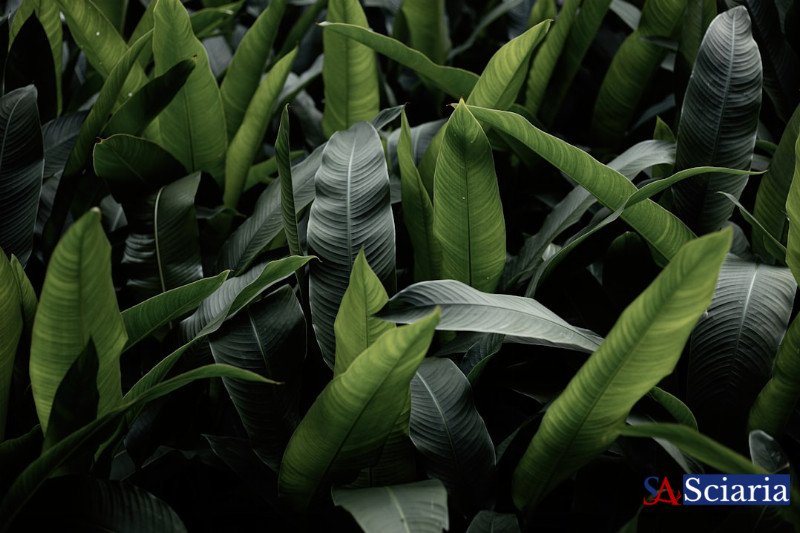
We often picture plants as serene, passive beings, quietly soaking up sun and rain. But beneath this tranquil facade lies a relentless "botanical battlefield," a dynamic arena where plants engage in fierce competition and sophisticated warfare for survival and dominance. This isn't about thorny roses battling dandelions with tiny swords; it's a silent, chemical, and physical struggle that shapes ecosystems and drives evolution, far more aggressive than you might imagine.
One of the most intriguing forms of plant combat is chemical warfare, known as allelopathy. Plants release a cocktail of biochemical compounds, called allelochemicals, into the soil or air to inhibit the growth of neighboring species. A classic example is the black walnut tree (Juglans nigra), which produces juglone, a potent toxin that stunts or kills many plants in its root zone. This shrewd strategy reduces competition for vital resources like water, nutrients, and sunlight, securing a monopolistic advantage for the aggressor and creating a distinct "kill zone" around its base.
Beyond chemical assaults, plants engage in intense physical competition. Imagine a crowded forest floor: seedlings race upwards, desperate for a patch of sunlight. Vines, like kudzu, strangle host trees, using them as ladders to reach the canopy while simultaneously blocking their light. Root systems aggressively spread, forming intricate networks to outcompete rivals for water and nutrients deep within the soil. Some plants even deploy specialized root exudates to make nutrients unavailable to competitors, essentially "hoarding" resources. This constant scramble for finite resources creates a dynamic, ever-changing landscape where only the most adaptable and strategic survive.
It's not all offense; defense is crucial too. Plants arm themselves with thorns, spines, and irritating hairs to deter herbivores. Many produce secondary metabolites – bitter, toxic, or indigestible compounds – making them unpalatable or poisonous. Some even recruit allies, releasing volatile organic compounds when attacked by insects to attract predators or parasitoids of their attackers. This intricate dance of attack and defense drives co-evolution, creating a complex web of interactions that underscores the true belligerence and ingenious strategies of the plant world.
Far from static, plants are active participants in an ongoing struggle for existence. Understanding this "botanical battlefield" reveals a hidden world of strategic brilliance, chemical prowess, and relentless competition. It's a testament to life's ingenuity, reminding us that even the quietest corners of nature are brimming with drama and sophisticated survival tactics that continuously shape our planet's diverse flora.
Comments (0)
Rate This Blog
Top Blogs by Rating

Nursing's Sixth Sense: Unlocki...
By Sciaria

Unveiling the Ocean's Hidden W...
By Sciaria

Unleash Your Inner Explorer: T...
By Sciaria
Favorite Blog

The Paradox of Political Apath...
By Sciaria

Your DNA's Dark Matter: Unlock...
By Sciaria

Who Owns Our Streets? Unpackin...
By Sciaria
Related Research
Semantic roles “agent†and “affected†in trilingual balinese folklores: a study of semantics
Connaraceae
Pendampingan penerapan biosekuriti peternakan babi desa batuputih untuk pencegahan penyakit african swine fever
Share
Notice Board
- O ENIGMA DO SENTIDO E O MISTéRIO DOACIDENTE NO LABOR ARCAICO DE ANA HATHERLY
- EFFECT OF SS316L PLATE’S SURFACE TEXTURE ON HYDROGEN PRODUCTION OF HHO GENERATOR FOR DEFENCE APPLICATION IN REMOTE LOCATIONS
- IMPLEMENTASI BUMDES DALAM MENINGKATKAN PEMBANGUNAN DESA STUDI KASUS BUMDES HARDJO UTOMO DESA SUKOHARJO KECAMATAN SUKOHARJO KABUPATEN WONOSOBO
 Sciaria Research