Living Materials: How Biology is Revolutionizing Design and Engineering
- Sciaria
- Materials
- Mar 02, 2026
- 0 Comments
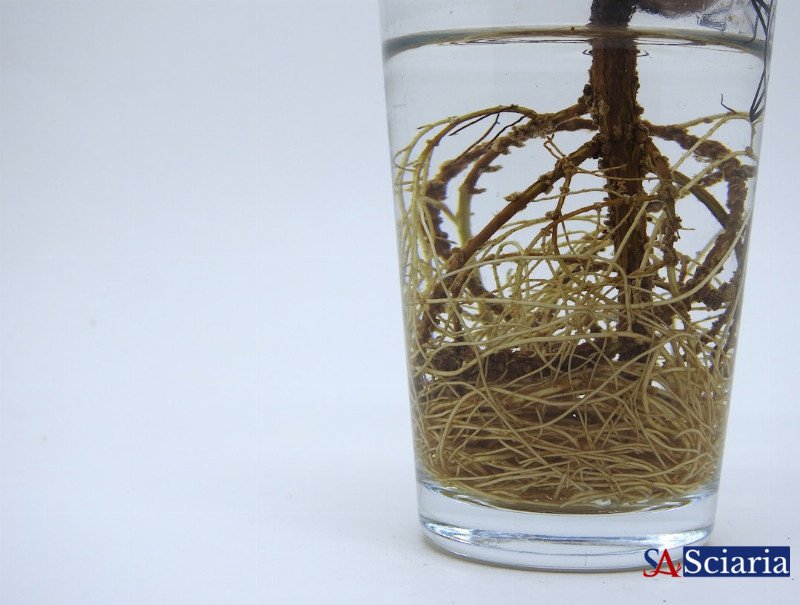
Imagine buildings that heal their own cracks, packaging that decomposes into nutrients, or products that grow themselves. This isn't science fiction; it's the exciting frontier of living materials. Moving beyond traditional inert substances like steel and concrete, a new paradigm is emerging where we actively design with biology, integrating living organisms or their components into engineered structures to create materials with unprecedented capabilities.
The essence of living materials lies in harnessing the inherent intelligence and dynamism of biological systems. Unlike conventional materials, these bio-integrated designs can self-repair, self-assemble, adapt to their environment, and even perform complex functions like sensing or purification. Think of mycelium-based composites, grown from fungi, offering sustainable alternatives to plastics and Styrofoam. Or consider concrete embedded with bacteria that can secrete calcium carbonate to mend fissures, extending the lifespan of infrastructure and drastically reducing maintenance needs. From bio-luminescent plants that could light our cities to textiles that react to human sweat, the possibilities are as diverse as life itself.
This revolutionary approach promises a dramatic shift towards sustainability and efficiency. By leveraging nature's circular economy, living materials can minimize waste, reduce energy consumption in manufacturing, and offer biocompatible solutions. The interdisciplinary field, merging biology, materials science, engineering, and design, is set to redefine how we build, consume, and interact with our environment. As research progresses, these dynamic, responsive, and regenerative materials are not just improving existing products; they are enabling entirely new functionalities and paving the way for a truly sustainable and biologically integrated future.
Comments (0)
Rate This Blog
Top Blogs by Rating

Unseen Worlds: How Animals Sen...
By Sciaria
Beyond Metal & Gears: Explorin...
By Sciaria

Goodbye Chargers: The Rise of...
By Sciaria
Favorite Blog

The Whisper of the Unfinished:...
By Sciaria

The Ghost Light's Enduring Glo...
By Sciaria

Unlock Your Inner Healer: The...
By Sciaria
 Sciaria Research