The Paradox of Perfection: Why Good Design Disappears
- Sciaria
- Design
- Mar 31, 2026
- 0 Comments
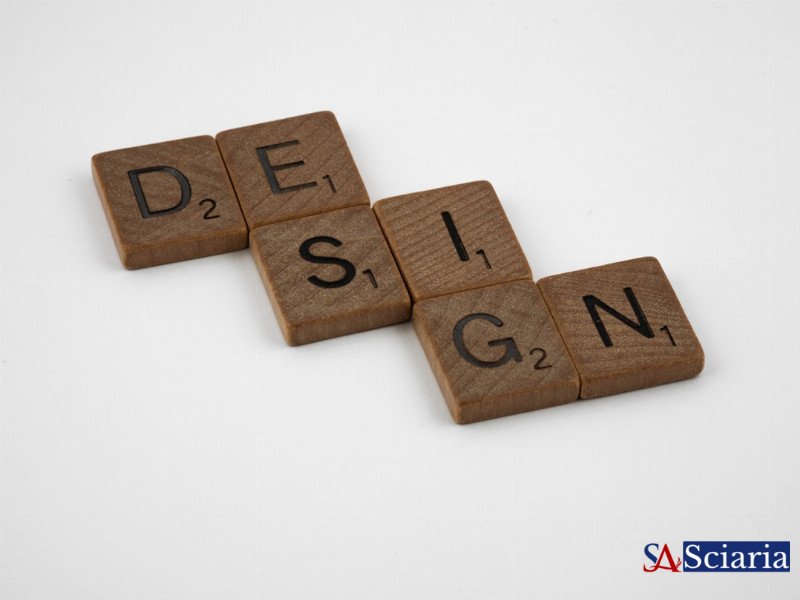
Ever opened a perfectly balanced door, used an intuitively laid-out app, or sat in a remarkably comfortable chair without a second thought? This seamless interaction is the hallmark of truly exceptional design. It’s a fascinating paradox: the better a design is, the less we consciously notice it. While flashy, attention-grabbing aesthetics often steal the spotlight, the most profound and impactful design frequently recedes into the background, becoming an invisible enabler of our daily lives.
The disappearance of good design isn't a failure; it's its ultimate triumph. When a product, system, or environment is meticulously crafted to function flawlessly, it integrates so perfectly into our routines that it ceases to be an object of contemplation and becomes an extension of ourselves. Think of a well-designed pair of eyeglasses: you don't constantly admire their structure; you simply see through them. The design's success lies in its ability to remove friction, anticipate needs, and provide solutions so elegantly that the process feels natural, almost innate. It's when we don't have to think about how something works that the design has truly vanished, leaving us free to focus on the task or experience itself.
This phenomenon is also linked to our elevated expectations. Over time, what was once considered innovative or cutting-edge design becomes the new baseline. Modern interfaces, ergonomic tools, and efficient public spaces are now expected norms. We only tend to notice design when it fails – when an interface is confusing, a product is cumbersome, or a space is inefficient. Bad design shouts for attention through frustration and inefficiency, forcing us to engage with its flaws. Conversely, good design quietly delivers, consistently meeting and exceeding expectations without demanding applause, thus slipping beneath our conscious radar. It becomes the silent, reliable bedrock of our interactions.
Ultimately, great design shifts our focus from the artifact to the experience. Its purpose isn't to be admired as a standalone piece of art, but to facilitate an action, evoke a feeling, or solve a problem. Whether it's the carefully chosen typography that makes reading effortless, the intuitive layout of a website that guides you to information, or the ergonomic shape of a tool that prevents fatigue, the design's goal is to serve the user's journey. When successful, the user is immersed in the task, the story, or the interaction, entirely oblivious to the meticulously arranged elements that made it all possible. The design is merely the perfectly polished lens through which we perceive the world.
So, the next time you navigate a public space with ease, complete an online purchase without a hitch, or simply enjoy a moment of unencumbered comfort, take a moment to appreciate the invisible architects behind the scenes. The disappearance of good design is not a lack of recognition for designers, but rather the highest form of praise for their craft. It signifies design that has achieved peak functionality, seamless integration, and profound utility, quietly enhancing our lives by making the complex simple and the challenging effortless. This silent mastery is why good design, paradoxically, disappears.
Comments (0)
Rate This Blog
Top Blogs by Rating

The Unseen Threads: How Silent...
By Sciaria
Digitalization for Delight: El...
By Sciaria

The Quiet Aftershocks: When Re...
By Sciaria
Favorite Blog

Worlds Within Worlds: Explorin...
By Sciaria
Beyond the Genes: Decoding Gen...
By Sciaria
The Unseen Architects: How IoT...
By Sciaria
Related Research
Integrasi nilai-nilai pancasila dalam media pembelajaran digital interaktif berbasis web
Evaluation of the jombang healthy card program policy for the poor in jombang regency
Optimizing green marketing strategy on marketing performance by implementing green tourism advertising
Share
Notice Board
- MAREN R. NIEHOFF, HG. THE ART OF CONTEXTUALIZING PHILO OF ALEXANDRIA. TEXTS AND STUDIES IN ANCIENT JUDAISM 190. MOHR SIEBECK, 2024
- CARACTERIZACIóN DE LOS HUMEDALES ARTIFICIALES PARA EL TRATAMIENTO DE AGUAS RESIDUALES EN COSTA RICA
- ENHANCING INDOOR POSITIONING ACCURACY WITH ANT COLONY OPTIMIZATION AND DUAL CLUSTERING
 Sciaria Research