Worlds Within Worlds: Exploring the Deep Sea Brine Lakes
- Sciaria
- Oceanography
- Jun 02, 2026
- 0 Comments
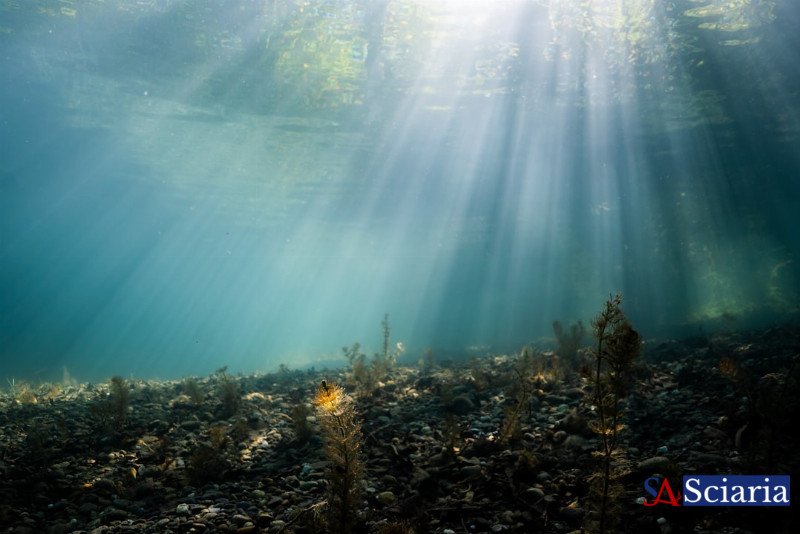
Imagine a lake, not on land, but deep beneath the ocean's surface, its waters so dense and alien that they refuse to mix with the surrounding sea. This isn't science fiction; these are deep-sea brine lakes, breathtaking "worlds within worlds" tucked away in the abyssal plains. For centuries, the deep ocean remained largely a mystery, but as technology advanced, we began uncovering these extraordinary phenomena – vibrant, yet deadly, oases of extreme chemistry and specialized life. They represent some of Earth's most unique and hostile environments, pushing the boundaries of what we understand about life's persistence.
How do these subterranean lakes form? Often found in tectonically active areas like the Gulf of Mexico, the Red Sea, or the Mediterranean, brine lakes are typically created when subterranean salt deposits, formed millions of years ago, dissolve and seep through the seafloor. This process releases extremely concentrated brine – water that can be 5 to 8 times saltier than the surrounding seawater. Being significantly denser, this super-salty water collects in depressions on the ocean floor, forming distinct pools with clear, shimmering surface boundaries, much like a lake on land. The most striking characteristic, beyond their salinity, is their anoxic nature: they are entirely devoid of oxygen, making them lethal to most conventional marine life.
Despite these seemingly insurmountable challenges, deep-sea brine lakes are far from lifeless. Instead, they teem with highly specialized extremophiles – organisms uniquely adapted to thrive in these toxic conditions. Microbes, primarily bacteria and archaea, form the base of these ecosystems, harnessing chemosynthesis to convert chemical compounds like methane and hydrogen sulfide into energy, rather than relying on sunlight. Around the edges of these lakes, where the brine meets oxygenated seawater, unique communities of mussels, tube worms, and shrimp can often be found, grazing on the microbial mats or tolerating the harsh gradients. These creatures offer a compelling testament to the resilience and adaptability of life, proving that even in the most extreme corners of our planet, life finds a way.
The scientific importance of deep-sea brine lakes extends far beyond their ecological marvel. Scientists study them not only to understand the limits of life on Earth but also as potential analogs for extraterrestrial environments. Could similar hypersaline, anoxic lakes exist beneath the ice of distant moons like Europa or Enceladus, potentially harboring alien life? These deep-sea ecosystems provide invaluable insights into fundamental biological processes, the origins of life, and how life might evolve under truly extreme conditions. Each new discovery from these mysterious depths deepens our appreciation for Earth's incredible biodiversity and expands our search for life beyond our home planet.
Comments (0)
Rate This Blog
Top Blogs by Rating

Deep Time's Echoes: Unearthing...
By Sciaria

Unlocking the Micro-World: The...
By Sciaria

Reclaiming Our Humanity: The R...
By Sciaria
Favorite Blog

Beyond the Genes: Decoding Gen...
By Sciaria

'Um' Isn't Just a Stumble: Wha...
By Sciaria

The Hidden Power of Micro-Comm...
By Sciaria
 Sciaria Research