Disaster Tourism: Navigating the Ethical Storm in Post-Catastrophe Zones
- Sciaria
- Disaster
- Oct 31, 2025
- 0 Comments
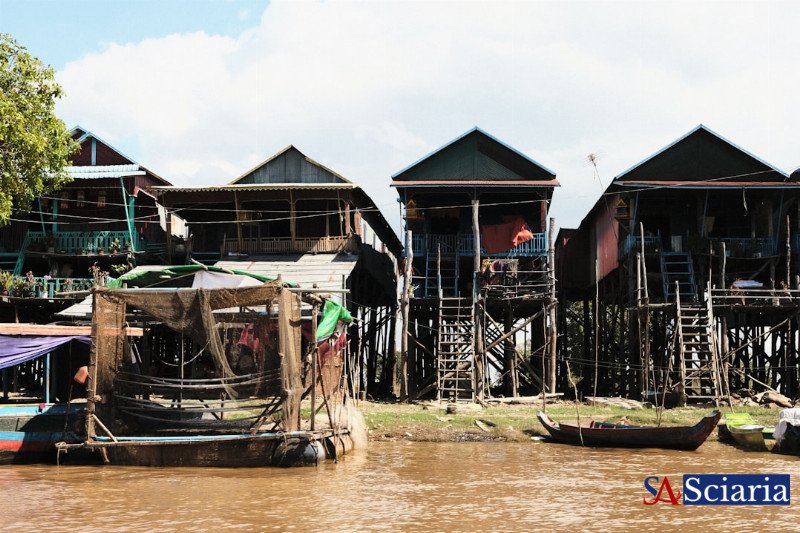
The human spirit is often drawn to places of profound historical or emotional significance, seeking understanding, solace, or simply a connection to major events. But what happens when that draw leads us to sites of recent catastrophe, where communities are still reeling from the immediate aftermath? This phenomenon, often dubbed 'disaster tourism,' presents a complex web of ethical dilemmas that demand careful consideration from both visitors and the affected communities.
Disaster tourism, a sub-genre of 'dark tourism,' refers to the act of visiting locations that have recently experienced a significant disaster, be it natural or man-made. From earthquake-ravaged cities to tsunami-hit coastlines or sites of industrial accidents, the allure can stem from morbid curiosity, a desire to bear witness, or even a misguided intent to help. While some argue it raises awareness or even brings much-needed economic relief, it also opens a Pandora's Box of ethical questions about exploitation, empathy, and respect.
One of the most pressing questions is whether such visits are acts of genuine empathy or a form of voyeurism. For communities grappling with loss, trauma, and the painstaking process of recovery, the arrival of sightseers can feel intrusive and disrespectful. Imagine your deepest suffering being put on display for outsiders to observe, photograph, and then leave. This 'gaze' can strip survivors of their privacy and dignity during their most vulnerable moments, turning their tragedy into a spectacle rather than a shared human experience.
Proponents often point to the potential economic boost for local economies shattered by the disaster. Tourists might spend money on local goods, services, and accommodation, injecting vital funds into a devastated area. However, this benefit can be a double-edged sword. Unregulated or premature tourism can inflate prices for essential goods and services, making them inaccessible for local residents. It can also strain already limited resources like water, food, and shelter, diverting emergency personnel's attention from critical recovery efforts to managing visitors.
Beyond economics, there's the profound issue of respect for the victims and survivors. Is it appropriate to take selfies amidst rubble, at makeshift memorials, or in front of homes that have been destroyed? These sites are not theme parks; they are sacred grounds of raw human tragedy, memory, and ongoing suffering. The presence of tourists can disrupt the solemnity of memorials, interfere with clean-up operations, and further traumatize those who are still processing their loss.
So, how can one engage with such sites ethically, if at all? The answer often lies in timing and intent. In the immediate aftermath, the most helpful actions are typically donating to reputable relief organizations, volunteering with established groups that coordinate efforts with local authorities, or supporting long-term recovery initiatives. If the intent is truly to understand and contribute, wait until the initial crisis has passed and the community indicates it is ready for visitors, perhaps offering guided tours run by locals that benefit the community directly. The line between curiosity and callousness is fine, and it's incumbent upon us, as potential visitors, to tread it with the utmost care and conscience.
Comments (0)
Rate This Blog
Top Blogs by Rating

The Ghost in the Circuit: Unve...
By Sciaria

Unleash Your Inner Recess: The...
By Sciaria

Atmospheric Rivers: Unveiling...
By Sciaria
Favorite Blog

Beyond the Encore: The Ghost L...
By Sciaria

The Universe's Ghost Cities: W...
By Sciaria

Is Your 'Healthy' Breakfast Se...
By Sciaria
 Sciaria Research