Disaster's Catalyst: How Crises Accelerate Innovation
- Sciaria
- Disaster
- Jul 01, 2026
- 0 Comments
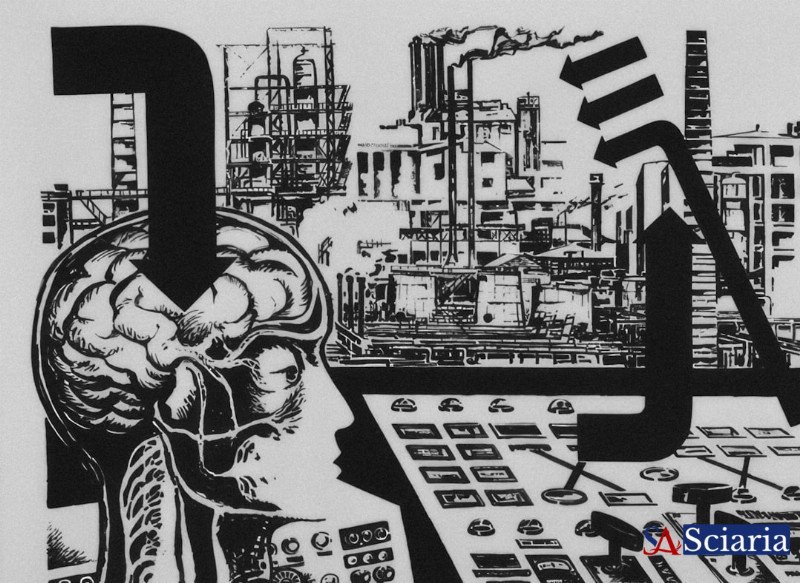
Disasters, whether natural calamities, global pandemics, or man-made conflicts, are undeniably devastating. They leave a trail of destruction, loss, and trauma, fundamentally altering the landscape and lives they touch. Yet, amidst the chaos and despair, a remarkable phenomenon often emerges: a powerful acceleration of human ingenuity and innovation. Crises act as a relentless catalyst, forcing humanity to confront vulnerabilities, rethink conventional approaches, and develop groundbreaking solutions at an unprecedented pace.
History is replete with examples of how adversity has spurred innovation. The World Wars, for instance, dramatically advanced aviation, medicine (like the mass production of penicillin), and communication technologies such as radar and early computing. More recently, the COVID-19 pandemic rapidly propelled the development of mRNA vaccine technology, revolutionized telemedicine, and normalized remote work solutions, fundamentally reshaping industries and daily life. Similarly, natural disasters like earthquakes, hurricanes, and wildfires have driven critical advancements in resilient infrastructure, sophisticated early warning systems, and sustainable energy solutions for remote and vulnerable communities.
Why does this happen? The urgency of a crisis creates an undeniable need, compelling immediate problem-solving under extreme pressure. Old systems often crumble, forcing a 'clean slate' approach where creativity flourishes without the constraints of established norms. Resources are often redirected, collaboration intensifies across sectors – from government to academia and private industry – and the sheer necessity to save lives and rebuild faster accelerates research and development timelines. This intense environment fosters a culture of rapid prototyping, bold experimentation, and cross-disciplinary thinking that might otherwise take decades to mature in more stable times. Necessity, as the adage goes, truly is the mother of invention, and during a disaster, necessity often screams.
While the human and economic costs of disasters are immense and never to be understated, recognizing their role as unexpected catalysts for innovation provides a unique perspective. By understanding this dynamic, we can better prepare not just for the immediate aftermath of crises, but also proactively foster environments that encourage problem-solving and accelerate the development of technologies and strategies. From advanced AI for predictive modeling to bio-engineered solutions for environmental recovery, the ongoing cycle of challenge and innovation continues to shape a more resilient and adaptable future for us all.
Comments (0)
Rate This Blog
Top Blogs by Rating

The Invisible Architects: How...
By Sciaria

The Human Battery: Your Intern...
By Sciaria

Is Taste a Lie? Unpacking the...
By Sciaria
Favorite Blog

The Invisible Threads: How Cry...
By Sciaria

Digitalization: Mastering the...
By Sciaria

The Unseen Architect: How Stat...
By Sciaria
 Sciaria Research