The Brain's Inner Curator: The Neuroscience of Memory Editing
- Sciaria
- Neuroscience
- Feb 14, 2026
- 0 Comments
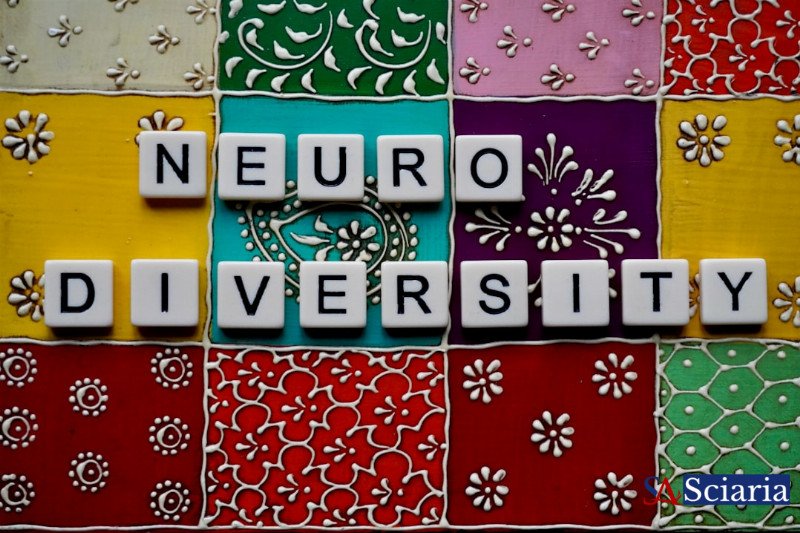
We often imagine our memories as perfect recordings, meticulously stored video clips of our past experiences. But what if I told you your brain isn't a passive archivist, but an active editor, constantly curating and even rewriting your life story? The fascinating field of neuroscience is increasingly revealing that memory isn't a fixed blueprint, but a dynamic, malleable construct, subject to constant modification. This fundamental understanding is reshaping how we view our personal narratives and the very essence of identity.
This incredible capacity for 'memory editing' is rooted in processes like memory reconsolidation. When you recall a memory, it doesn't just pop fully formed from a mental shelf. Instead, that memory briefly becomes unstable, or 'labile,' much like a document opened for editing. During this window, it can be strengthened, weakened, or even subtly altered before being 're-saved' in a modified form. This isn't a flaw; it's an evolutionary advantage, allowing our brains to update information, adapt to new environments, and refine our understanding of past events based on new experiences and incoming data.
At the heart of this dynamic process are complex neural mechanisms involving several key brain regions. The hippocampus plays a crucial role in forming and retrieving episodic memories, while the amygdala tags memories with emotional significance. The prefrontal cortex, our brain's executive control center, helps regulate the retrieval and potential modification process. On a molecular level, reconsolidation involves changes in synaptic plasticity – the strength of connections between neurons – and the synthesis of new proteins, which are essential for restabilizing the memory in its updated form. Disrupting these molecular processes during the reconsolidation window can literally erase or weaken specific memories.
Understanding the brain's capacity for memory editing has profound implications. While it highlights the fascinating malleability of our personal narratives and the potential for false memories, it also opens promising avenues for therapeutic intervention. For instance, researchers are exploring how to leverage reconsolidation to reduce the emotional impact of traumatic memories in conditions like PTSD or to combat addiction by weakening the memory cues associated with craving. Our brains are truly inner curators, constantly shaping who we are by subtly, yet powerfully, rewriting our past to better navigate the present and prepare for the future.
Comments (0)
Rate This Blog
Top Blogs by Rating
Beyond Repair Shops: Unlocking...
By Sciaria

Beyond the Void: The Unreasona...
By Sciaria

The Global Soul: Navigating Id...
By Sciaria
Favorite Blog

What Your Nose Knows: Unpackin...
By Sciaria

The Understudy's Call: Theater...
By Sciaria

Beyond the Charts: Unlocking S...
By Sciaria
Related Research
Analysis of risk factors and prevention of stunting in early childhood in rural areas
Pembelajaran kitab mubadi’ fiqih sebagai upaya penguatan pemahaman fiqih dan mufrodat bahasa arab santri di ma’had walisongo 1 maron, probolinggo
Terveydenhuollon kehittämisen maisteriohjelma – muutoksen aika ja tulevaisuuden tekijät
Share
Notice Board
- POST-BREXIT RECOGNITION AND ENFORCEMENT OF JUDGEMENTS: PROBLEMS AND SOLUTIONS
- SISTEM LINGKUNGAN PINTAR SOLUSI CERDAS PENGELOLAAN SAMPAH MENGGUNAKAN ADAPTASI MACHINE LEARNING DAN INTERNET OF THINGS
- RESEñA DE MáRQUEZ, MANUEL. 2024. MODELOS LEXICOGRáFICOS DIGITALES EN LA LEXICOGRAFíA DIDáCTICA. MADRID (ESPAñA): GUILLERMO ESCOLAR EDITOR.
 Sciaria Research