The Botanical Night Shift: Unseen Rhythms of Plant Life
- Sciaria
- Botany
- Nov 04, 2025
- 0 Comments
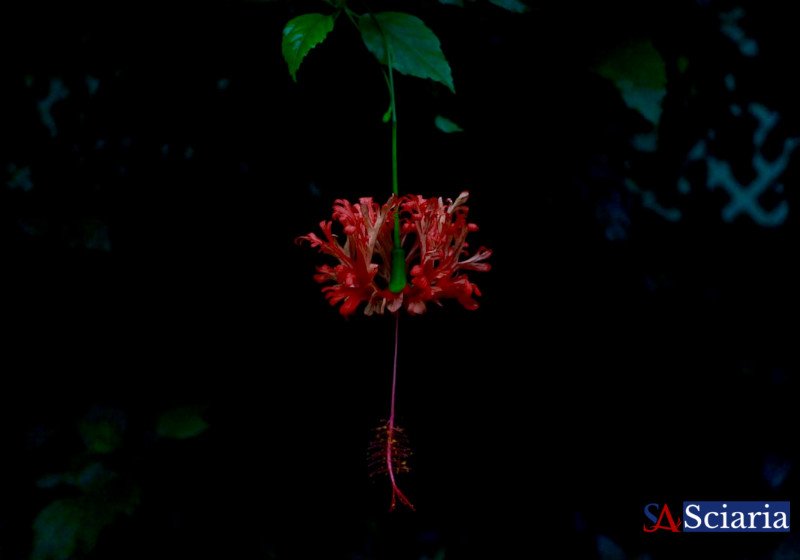
When we think of plants, our minds often picture them basking in the sun, diligently photosynthesizing. It’s easy to assume that once the sun sets, the botanical world simply goes to sleep. However, beneath the calm facade of the moonlit garden, a sophisticated and crucial 'night shift' is actively underway. Far from dormant, plants engage in a complex array of biological processes after dark, vital for their survival, growth, and reproduction.
While photosynthesis—the process of converting sunlight into energy—naturally pauses in the absence of light, plants are anything but idle. Respiration, the essential metabolic process where plants break down sugars to release energy, continues around the clock. This energy fuels critical functions like growth, repair, and nutrient uptake. Many plants also intensify their production of fragrant compounds at night to attract nocturnal pollinators like moths and bats, offering a sweet reward of nectar. You might have noticed the intoxicating scent of night-blooming jasmine or evening primrose; these aren't accidental fragrances but carefully orchestrated signals in the dark.
Perhaps one of the most fascinating aspects of the botanical night shift involves their intricate internal clocks, known as circadian rhythms. These biological pacemakers govern a multitude of processes, ensuring they occur at optimal times. For instance, some plants, like the Prayer Plant (Maranta leuconeura), visibly fold their leaves at night and unfurl them at dawn, a phenomenon called nyctinasty. Even more remarkably, certain desert plants, known as CAM (Crassulacean Acid Metabolism) plants, open their stomata (tiny pores on leaves) only at night to absorb carbon dioxide. This ingenious adaptation minimizes water loss in arid environments, allowing them to conserve precious moisture during the scorching daytime while still gathering the CO2 needed for photosynthesis.
These nocturnal activities underscore the incredible adaptability and complexity of plant life. From the subtle rustle of sap moving through vascular tissues to the silent chemical reactions powering growth and defense, the night brings a different kind of botanical bustle. Understanding these unseen rhythms not only deepens our appreciation for the natural world but also offers insights into plant resilience and their profound contributions to ecosystem health, even when we're fast asleep.
Comments (0)
Rate This Blog
Top Blogs by Rating

Beyond Back Pain: Is Your Ergo...
By Sciaria

From Tweet to Bill: When Does...
By Sciaria

The Convenience Trap: Balancin...
By Sciaria
Favorite Blog

Beyond Repair: How Self-Healin...
By Sciaria

The Collective Gasp: Why Live...
By Sciaria

The Brain's Masterpiece: How Y...
By Sciaria
 Sciaria Research