Who Owns Our Streets? Unpacking the 'Right to Roam' in Urban Mobility
- Sciaria
- Mobility
- Feb 09, 2026
- 0 Comments
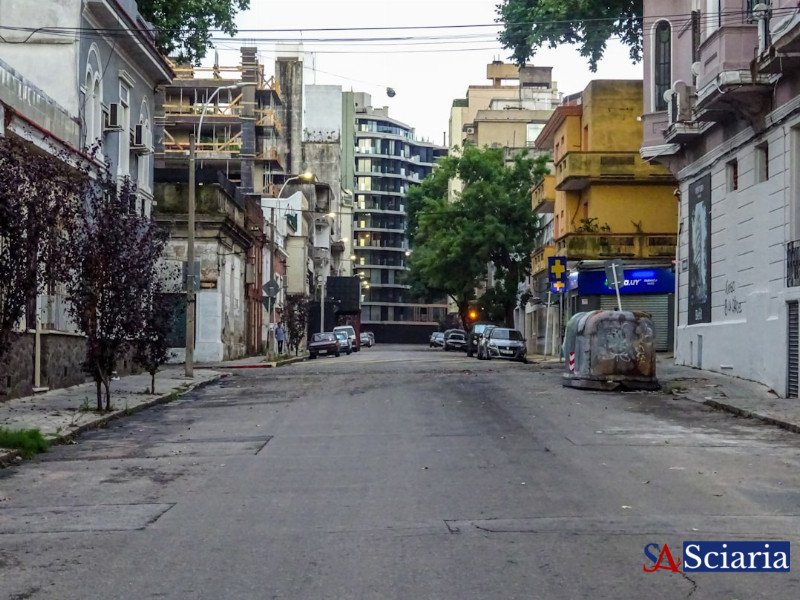
The phrase 'right to roam' often conjures images of hiking through open moorlands or exploring wild coastlines. But what about our urban landscapes? What about the very streets we walk, cycle, and drive on every day? The question of who truly 'owns' our streets is far more complex than it appears, with profound implications for urban mobility, public space, and community life. In an increasingly dense and privatized world, understanding this ownership – both legal and practical – is crucial to defining equitable access and sustainable movement within our cities.
Historically, streets have served as essential public thoroughfares, places not just for passage but for commerce, social interaction, and even protest. They were, in essence, common ground. However, the 20th century brought the rise of the automobile, dramatically reshaping our urban fabric and leading to a car-centric planning paradigm. Streets became primarily conduits for vehicles, often at the expense of pedestrians, cyclists, and public life. Simultaneously, urban development has introduced 'privately owned public spaces' (POPS) – areas that look public but are subject to private rules and enforcement, further blurring the lines of who controls access and behavior.
Today, the battle for street ownership is multi-faceted. Municipal authorities hold legal ownership, but their planning decisions are influenced by developers, businesses, residents, and various user groups. Pedestrians fight for wider sidewalks and safer crossings, cyclists demand dedicated lanes, and local communities advocate for reclaiming streets for markets, play, and community events. Shared mobility services, from e-scooters to ride-hailing, add another layer of complexity, demanding space and regulation. This ongoing negotiation highlights that 'ownership' isn't just about deeds and titles; it's about the right to use, occupy, and influence the character of these vital public spaces.
For urban mobility, the implications are vast. A street perceived solely as a car thoroughfare will prioritize vehicle flow, deterring active transport and limiting social interaction. Conversely, recognizing streets as multi-functional public spaces empowers urban planners to design for diverse modes of transport, foster vibrant community hubs, and enhance overall liveability. Defending the 'right to roam' in our urban centers means advocating for policies that prioritize equitable access, sustainable transport options, and the transformation of streets from mere infrastructure into inclusive, dynamic public realms for everyone.
Comments (0)
Rate This Blog
Top Blogs by Rating

Parasites: The Unsung Architec...
By Sciaria

Beyond Inclusion: Mastering th...
By Sciaria

Designer Atoms: Crafting Reali...
By Sciaria
Favorite Blog
Beyond Inclusion: Mastering th...
By Sciaria

Unlock Your Brainpower: Master...
By Sciaria

Beyond Repair Shops: Unlocking...
By Sciaria
 Sciaria Research