Nature's Immortals: Unlocking the Biological Secrets of Animals That Defy Time
- Sciaria
- Zoology
- Nov 12, 2025
- 0 Comments
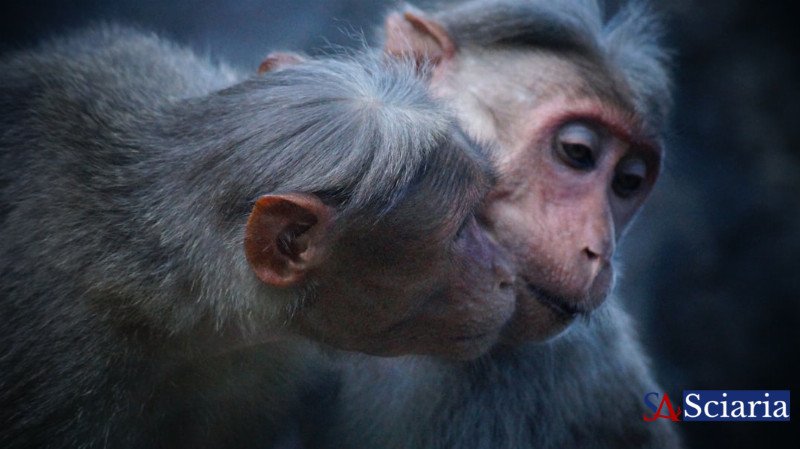
Aging is often considered an inevitable part of life, a universal truth etched into the very fabric of existence for nearly all living creatures. Yet, within the vast and wondrous tapestry of the animal kingdom, there exist extraordinary beings that seem to defy this fundamental rule. These 'immortality seekers' challenge our deepest understanding of biology, offering tantalizing glimpses into the potential for negligible senescence and even biological immortality. Their unique adaptations captivate scientists and spark the imagination, hinting at secrets that could one day revolutionize our approach to health and longevity.
Perhaps the most famous among these marvels is the 'immortal jellyfish,' Turritopsis dohrnii. When faced with environmental stress or injury, this tiny cnidarian possesses the remarkable ability to revert its adult cells back to an immature polyp stage, effectively resetting its life cycle. It's like a butterfly transforming back into a caterpillar, but with the added twist of rejuvenation. Similarly, the freshwater hydra, a simple polyp related to jellyfish, appears to be biologically immortal due to its incredible regenerative capacity, constantly replacing its cells without exhibiting signs of deterioration or an increase in mortality rate with age. Their secret lies in a stem-cell rich body that consistently renews itself.
Beyond these microscopic wonders, larger animals also exhibit astounding longevity. The Greenland shark, for instance, holds the record as the longest-living vertebrate, with some individuals estimated to be over 500 years old. Dwelling in the frigid depths of the North Atlantic, its slow metabolism and cold environment contribute to its extended lifespan. Another fascinating example is the naked mole rat. Despite being a small rodent, it lives for an astonishingly long time – up to 30 years, far exceeding its mouse relatives – and shows remarkable resistance to cancer, maintaining youthful vitality and cellular integrity well into old age. While not truly immortal, their anti-aging mechanisms are a goldmine for research.
The mechanisms behind these creatures' extraordinary lifespans are diverse and complex. They range from indefinite growth patterns, where some animals like certain turtles and lobsters continue to grow throughout their lives without a clear endpoint, to hyper-efficient DNA repair systems, robust cellular regeneration, and unique telomere maintenance. The concept of 'negligible senescence' is key here: a state where an organism's mortality rate does not increase, and its reproductive capability does not decline with age. These biological superpowers highlight nature's incredible ingenuity in circumventing the typical wear and tear of time.
Studying these 'immortality seekers' offers invaluable insights into the fundamental processes of aging and disease. Their unique biological strategies provide a living laboratory for understanding cellular repair, stem cell biology, and cancer resistance. As zoologists and geneticists delve deeper into their secrets, the knowledge gained could unlock groundbreaking discoveries in human medicine, paving the way for advanced anti-aging therapies, novel disease treatments, and perhaps, a redefinition of what we perceive as the natural limits of life. The animal kingdom continues to surprise and inspire, pushing the boundaries of what we thought was biologically possible.
Comments (0)
Rate This Blog
Top Blogs by Rating

The Evolutionary Paradox: Why...
By Sciaria

Beyond the Bits: Unearthing th...
By Sciaria

Is Electro Music the New Class...
By Sciaria
Favorite Blog

Beyond Solid: The Quantum Secr...
By Sciaria

The Paradox of Political Apath...
By Sciaria

The Silent Architect: How Cult...
By Sciaria
 Sciaria Research