Beyond Perfection: Reimagining the Divine in a Flawed World
- Sciaria
- Theology
- Mar 30, 2026
- 0 Comments
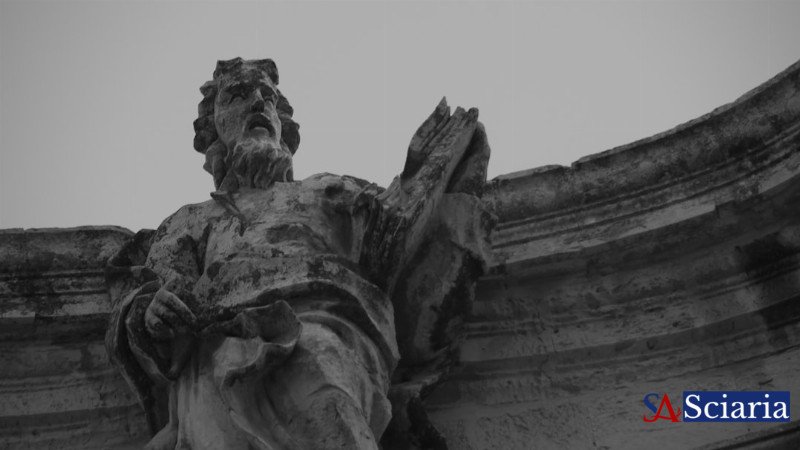
For many, the concept of the divine is synonymous with absolute perfection. An omnipotent, omniscient, and unchanging God stands as the ultimate ideal, utterly devoid of blemish or limitation. Yet, what if our understanding of the divine could be enriched, rather than diminished, by embracing the notion of imperfection? This isn't about challenging God's inherent nature, but rather about exploring a 'theology of imperfection' that offers a more relatable, empathetic, and ultimately profound spiritual framework for our own undeniably flawed existence.
A theology of imperfection doesn't suggest that God is somehow deficient in power or love. Instead, it invites us to consider the divine willingness to enter into imperfection – to experience, to lament, and to profoundly identify with the brokenness of creation. Think of the Incarnation, where the divine stepped into human vulnerability, suffering, and death. This isn't a sign of weakness but an act of radical solidarity, revealing a God whose empathy is so vast that it embraces the messiness of our world, not from a detached distance, but from within the heart of imperfection itself. It’s in these moments that we glimpse a God who doesn’t just transcend flaw, but intimately engages with it.
What does this mean for our faith? Embracing a theology of imperfection frees us from the often paralyzing pursuit of an unattainable spiritual perfection. It redefines grace, not as a reward for our perfect adherence, but as an unconditional embrace of our inherent brokenness. It cultivates humility, fostering compassion for ourselves and others, recognizing that growth often emerges from struggle and imperfection. This perspective allows us to find God not just in the triumphs and the flawless moments, but equally in the valleys, the doubts, and the very human process of 'becoming.' Faith, then, becomes a journey with a God who understands our stumbling steps because they, in a profound sense, have walked them too.
Ultimately, a theology of imperfection doesn't diminish the sacred; it deepens it. It allows us to see the divine presence not merely in pristine order, but also in the beautiful chaos, the fragile hope, and the resilient spirit of an imperfect world. By daring to reimagine a God who can relate to our flaws, we open ourselves to a more authentic, compassionate, and ultimately more transformative spiritual experience, finding connection and purpose precisely within our own human condition.
Comments (0)
Rate This Blog
Top Blogs by Rating

The Unseen Architect: Building...
By Sciaria

Peace: A Muscle, Not a Mood –...
By Sciaria
Mastering the Unsaid: The Sixt...
By Sciaria
Favorite Blog

Beyond Passive: How Intelligen...
By Sciaria

The Elegance of Constraints: E...
By Sciaria

Electro: The Art of Engineered...
By Sciaria
 Sciaria Research