Beyond Accessibility: Crafting Cultures of Belonging for All
- Sciaria
- Disability, Inclusion
- Aug 24, 2026
- 0 Comments
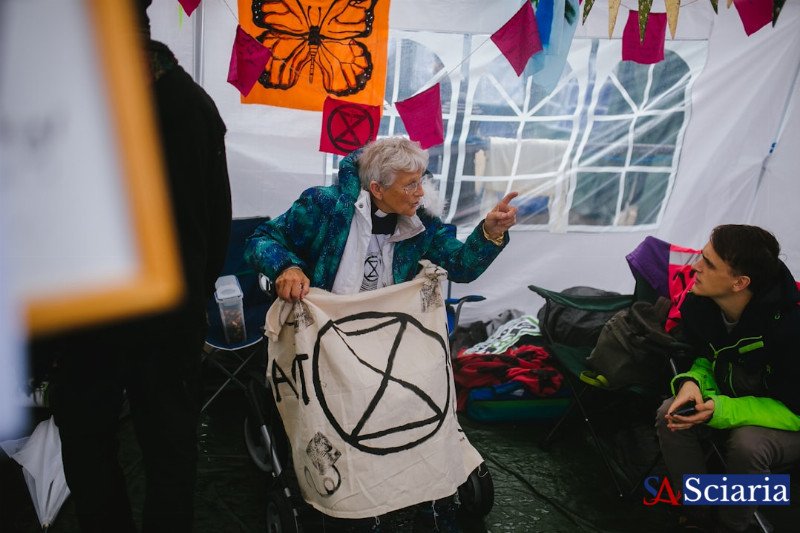
We often talk about accessibility as the cornerstone of inclusion, and rightly so. Ramps, closed captions, alt-text – these are vital mechanisms that ensure individuals with disabilities can access spaces, information, and opportunities. They dismantle barriers and are non-negotiable for equitable participation. However, is access alone enough to foster true inclusion? The answer, increasingly, is no. Our ambition must stretch further, from simply providing access to actively cultivating a profound sense of belonging.
Accessibility initiatives are critical for compliance and provide necessary accommodations. They address the physical and digital infrastructure, enabling participation. But imagine being able to enter a room, yet feeling invisible, unheard, or fundamentally misunderstood. This is where accessibility reaches its limit and the deeper work of belonging begins. Belonging transcends checkboxes; it's about fostering an environment where every individual feels inherently valued, respected, and psychologically safe to bring their full, authentic self without fear of judgment or exclusion.
Crafting cultures of belonging demands a proactive shift in mindset and practice. It involves moving beyond mere accommodation to genuinely understanding and embracing neurodiversity, physical differences, and varying needs as sources of strength and innovation. This means co-creating solutions with people with disabilities, rather than for them. It requires challenging unconscious biases, promoting inclusive language, and building empathy through authentic interactions. It's about designing systems and social structures where diverse perspectives are not just tolerated, but actively sought out, celebrated, and integrated into the very fabric of an organization or community.
Practically, fostering belonging looks like leadership advocating for disability inclusion at every level, creating mentorship programs, and establishing safe feedback channels. It means ensuring social events are truly inclusive, not just accessible. It’s about recognizing and dismantling microaggressions, and educating teams on how to be active allies. Ultimately, a culture of belonging is a dynamic, ongoing commitment that enriches everyone. When individuals feel they truly belong, they thrive, innovate, and contribute more meaningfully. Let’s aspire not just to open doors, but to create homes where every individual feels unequivocally welcome and genuinely connected.
Comments (0)
Rate This Blog
Top Blogs by Rating

The Illusion of Time: Explorin...
By Sciaria

Your Genes, Your Meds: The Pha...
By Sciaria

Beyond the Void: The Unreasona...
By Sciaria
Favorite Blog

The Algorithm of Athletic Grea...
By Sciaria

Unveiling Earth's Hidden Major...
By Sciaria
Reclaim Your Recess: Why Adult...
By Sciaria
 Sciaria Research