The Living Architecture Revolution: How Biotech is Growing the Buildings of Tomorrow
- Sciaria
- Biotechnology
- May 10, 2026
- 0 Comments
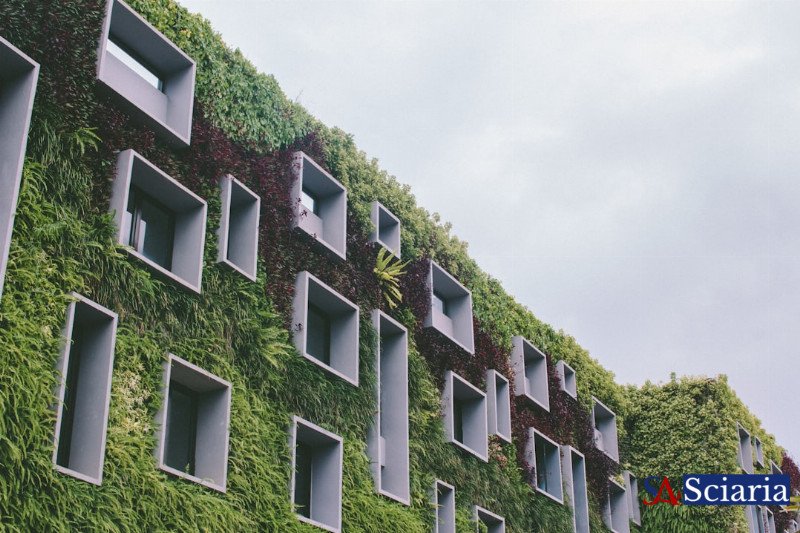
Imagine a future where our buildings aren't just constructed, but grown. A world where infrastructure heals itself, breathes, and even adapts to its environment. This isn't science fiction; it's the cutting-edge reality emerging from the intersection of biotechnology and construction. Traditional building methods are notoriously carbon-intensive, relying on finite resources and energy-hungry processes. But what if we could harness nature's own engineering principles to create the structures of the future?
Biotechnology is opening up revolutionary avenues for sustainable construction, moving us beyond inert concrete and steel to 'living' materials. One of the most promising areas involves bio-fabrication – using biological processes to create materials. Take mycelium, the root structure of mushrooms, for example. Grown in molds, it can create incredibly strong, lightweight, and fire-resistant bricks and insulation, offering a renewable alternative to conventional building components. Similarly, synthetic biology allows us to engineer bacteria to produce cement-like binders, reduce carbon dioxide, or even self-repair cracks in concrete, extending the lifespan of structures and significantly lowering their environmental footprint.
The implications of this bio-architectural revolution are vast. Beyond just sustainable materials, we're looking at structures that can actively sequester carbon, generate energy, or purify air, transforming buildings into active participants in ecological balance. From self-healing bio-concrete to walls grown from algae, these innovations promise not only greener buildings but also more resilient and adaptable ones. While challenges such as scalability, cost, and regulatory frameworks still need to be addressed, the momentum towards 'growing' our built environment is undeniable, promising a future where our cities are not just gray landscapes, but thriving, biologically integrated ecosystems.
This shift from purely mechanical construction to biologically inspired design marks a profound change in how we conceive of our built world. It’s an exciting journey towards an architecture that coexists harmoniously with nature, pushing the boundaries of what’s possible and paving the way for truly sustainable urban living. Biotechnology isn't just a science of life; it's becoming the science of how we build a better, more vibrant future.
Comments (0)
Rate This Blog
Top Blogs by Rating

The Analog Awakening: How Digi...
By Sciaria

Unselling: The Strategic Art o...
By Sciaria

The Dopamine Dilemma: Rewiring...
By Sciaria
Favorite Blog

Engineering's Secret Weapon: T...
By Sciaria

The Mechanical Hum: Decoding t...
By Sciaria

The Quiet Rebellion of Empathy...
By Sciaria
Related Research
Study of corporal punishment in schools in indonesia, 1966-2014
Césarée de marguerite duras e o mar: dispositivo audiovisual, intertextualidade e reencantamento do mundo
Pengembangan peanut brownies sebagai alternatif makanan selingan untuk penderita diabetes melitus
Share
Notice Board
- FENOMENA NO VIRAL NO JUSTICE TERHADAP PENYELESAIAN PERKARA PIDANA DIKAJI DARI ASAS KEPASTIAN HUKUM
- COMMUNITY EMPOWERMENT THROUGH PARTICIPATORY TRAINING FOR SUSTAINABLE NILE TILAPIA FARMING IN TANJUNG ALAM, ASAHAN REGENCY
- ANALISIS PENGARUH E-COMMERCE, SERVICE QUALITY DAN TRUST TERHADAP CUSTOMER LOYALITAS MELALUI CUSTOMER SATISFACTION SEBAGAI VARIABEL MODERATOR (STUDI KASUS PADA KONSUMEN ELECTRONIK CITY BOGOR)
 Sciaria Research