The Enigma of Cold Light: Unraveling the Chemistry of Glow
- Sciaria
- Chemistry
- Aug 06, 2026
- 0 Comments
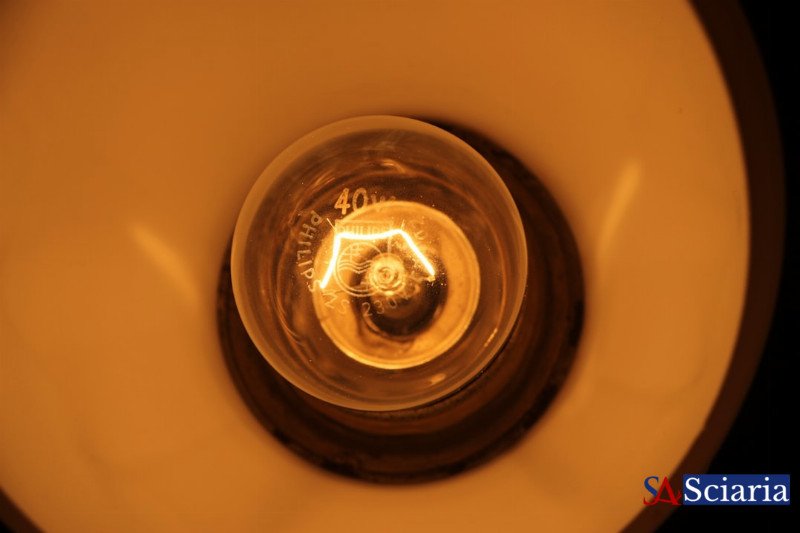
Imagine a light source that doesn't burn, doesn't get hot, and doesn't rely on electricity. Sounds like something out of science fiction, right? Yet, this phenomenon is all around us, from the enchanting dance of fireflies on a summer evening to the vibrant glow of a party stick. This magic is not fiction; it's the captivating world of chemiluminescence – the chemistry of light without heat. Unlike conventional light bulbs that generate light by heating a filament to incandescence, 'cold light' arises from a fascinating series of chemical reactions.
At the heart of chemiluminescence is a chemical reaction that releases energy not as heat, but as photons of light. This process involves reactants combining to form an unstable intermediate. As this intermediate breaks down or reacts further, it transitions to a lower energy state. Instead of dissipating this excess energy as thermal energy, it's emitted as electromagnetic radiation – visible light. A prime example is the familiar glow stick. Inside, two solutions are separated: typically a hydrogen peroxide solution and a solution containing an oxalate ester, a fluorescent dye, and a base catalyst. When the stick is bent, the inner vial breaks, allowing the chemicals to mix. The peroxide oxidizes the ester, creating an unstable peroxyacid which then decomposes to an excited state of the dye molecule. As the excited dye returns to its ground state, it emits light – a beautiful, heatless glow.
The spectrum of chemiluminescence extends far beyond glow sticks. Bioluminescence, a specialized form, is responsible for the ethereal glow of fireflies, certain deep-sea creatures, and glowing fungi. In fireflies, the protein luciferase acts as an enzyme, catalyzing the oxidation of a molecule called luciferin. This reaction produces an excited oxyluciferin, which then emits light as it relaxes. Each species has a slightly different luciferase and luciferin, resulting in unique colors of light. Beyond nature's wonders, chemiluminescence also has practical applications. Luminol, for instance, is used in forensic science to detect trace amounts of blood, reacting with iron in hemoglobin to produce a fleeting blue glow. Medical diagnostics also employ chemiluminescent assays for highly sensitive detection of various substances.
The efficiency of converting chemical energy directly into light makes chemiluminescence a subject of intense scientific interest. Without the energy loss associated with heat, these reactions are incredibly efficient light producers. This cold light technology offers advantages in situations where heat could be dangerous or detrimental, such as in certain emergency lighting or specialized medical devices. Researchers continue to explore new chemical systems and catalysts to create brighter, longer-lasting, and more versatile chemiluminescent materials, pushing the boundaries of what's possible with light.
From the subtle flicker of a firefly to the radiant burst of a glow stick, the chemistry of cold light illuminates our world in extraordinary ways. It's a testament to the intricate and beautiful mechanisms at play at the molecular level, reminding us that sometimes, the most brilliant shows are the ones put on by atoms and molecules, glowing without ever feeling the heat.
Comments (0)
Rate This Blog
Top Blogs by Rating

Beyond the Void: The Unreasona...
By Sciaria

The Invisible Hand: How Microb...
By Sciaria

The Silent Symphony: How Anima...
By Sciaria
Favorite Blog

Unlocking the Power of Nurse I...
By Sciaria

Unleashing the Now: Why Dance...
By Sciaria

Embracing the Divine Glitch: H...
By Sciaria
 Sciaria Research