Revolutionizing Livestock Health: Embracing Proactive Strategies Beyond Antibiotics
- Sciaria
- Animal Husbandry
- Mar 26, 2026
- 0 Comments
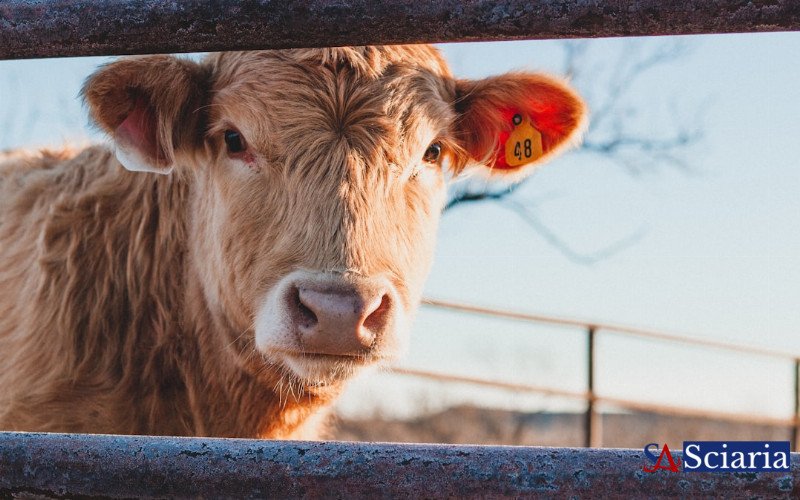
The golden age of antibiotics in animal husbandry is slowly fading. While indispensable in combating disease for decades, their overuse has sparked global concerns over antibiotic resistance, threatening both animal and human health. Consumers, increasingly informed, are demanding ethically raised, healthier animals with minimal medicinal intervention. This paradigm shift necessitates a radical rethinking of how we manage livestock health – moving from reactive treatment to proactive prevention. The future of animal husbandry isn't just about fighting disease; it's about building resilience.
Embracing proactive livestock health means fostering an environment where animals thrive naturally, minimizing their susceptibility to illness. This holistic approach integrates several critical pillars. Superior nutrition, tailored to specific life stages and production goals, forms the bedrock, enhancing immune function. Rigorous biosecurity measures, from farm entry protocols to waste management, become paramount in preventing pathogen introduction. Furthermore, thoughtful genetic selection for disease resistance and stress-reducing animal welfare practices, such as optimized housing and enrichment, play crucial roles in fortifying natural defenses against common ailments.
The good news is that innovative solutions are emerging to support this proactive vision. Nutritional science offers powerful tools like prebiotics and probiotics, which bolster gut health and immune response, and phytogenics – plant-derived compounds with antimicrobial or anti-inflammatory properties. Advanced diagnostic technologies allow for early detection of subclinical issues, enabling targeted interventions before diseases escalate. Precision livestock farming, leveraging sensors and AI, provides real-time data on individual animal health and environmental conditions, enabling farmers to make informed, preventative decisions. These tools, coupled with comprehensive vaccination programs, represent a powerful arsenal against disease.
Shifting to a proactive model offers multifaceted benefits. Beyond significantly reducing the reliance on antibiotics, it leads to healthier, more productive animals, enhancing welfare and reducing economic losses from illness. For the industry, it means greater sustainability, improved food safety, and increased consumer trust. Ultimately, this forward-thinking approach ensures a robust, responsible, and resilient future for animal agriculture, safeguarding animal well-being and public health alike.
Comments (0)
Rate This Blog
Top Blogs by Rating

Invisible Astronomy: Unveiling...
By Sciaria

From Tweet to Bill: When Does...
By Sciaria

The Blockchain Paradox: Why De...
By Sciaria
Favorite Blog

When Your Spirit Contradicts Y...
By Sciaria

The Authenticity Illusion: Nav...
By Sciaria

Policy Ghosts: The Unseen Rule...
By Sciaria
Related Research
Temporal trends and spatial patterns of forest fires in central kalimantan: implications for fire management policies
Marshall-lerner condition pada perdagangan indonesia – tiongkok
Sprawozdanie z działalności towarzystwa miłośników historii i zabytków krakowa w okresie od kwietnia 2022 do marca 2023 roku
Share
Notice Board
- ANALISIS KETERKAITAN KOMPETENSI KEUANGAN DENGAN AMBISI KEWIRAUSAHAAN DALAM PENDIDIKAN BISNIS DIGITAL
- ORGANIZATIONAL CULTURE MANAGEMENT IN BUILDING EDUCATIONAL INNOVATION OF PRIVATE MADRASAH ALIYAH IN RIAU PROVINCE
- PROSES PENGURUSAN DOKUMEN PENGELASAN PINTU TONGKANG PADA KAPAL MJL 335 MELALUI PT SULTHAN MARITIM INDONESIA
 Sciaria Research