The Allure of the Absent: Exploring Phantom Geography and What Isn't on Your Map
- Sciaria
- Geography
- May 28, 2026
- 0 Comments
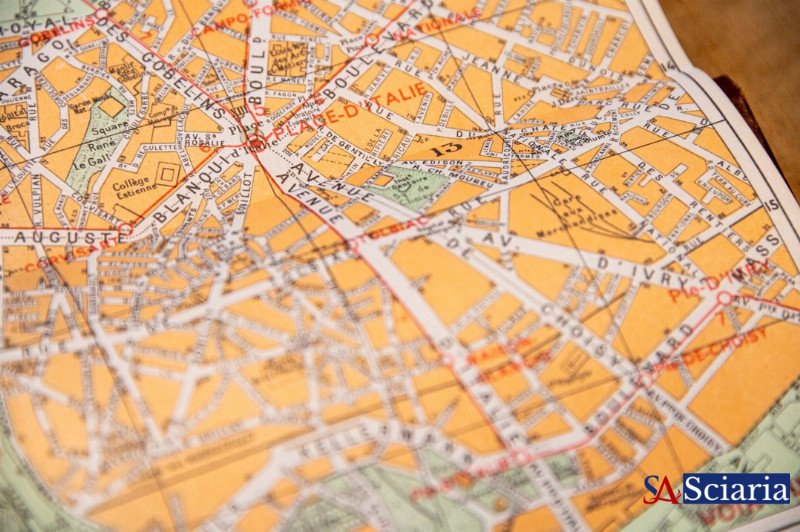
Maps are powerful tools, defining our world with precise lines and labels. But what if they don't tell the whole story? What about the places that aren't on the map—the mythical islands, forgotten territories, or even cartographic blunders that once occupied our collective imagination? This is the fascinating realm of phantom geography, a world of locations that exist only briefly, in error, or purely in legend, yet profoundly shape how we understand our planet.
Phantom geography encompasses a spectrum of 'non-existent' locations. Some are products of genuine cartographic error, like the infamous Sandy Island, which appeared on maps in the Coral Sea for over a century before finally being 'un-discovered' by scientists. Others are born from misinterpretations by explorers, such as Crocker Land, an Arctic island reported in 1906 but later proven to be a mirage. Then there are the purely mythical lands—Atlantis, Lemuria, Thule—ancient tales that sometimes made their way onto early charts, reflecting humanity's quest for the unknown and the limits of exploration.
The reasons for these geographical phantoms are as varied as the places themselves. Early mapmakers often filled unknown territories with speculative features or even fantastical creatures to mask their lack of information. Sometimes, hoaxes were perpetuated, either for personal gain or simply as a mischievous prank on unsuspecting cartographers. Political shifts can also create phantom geographies, as nations rise and fall, leaving behind ghost borders and forgotten capital cities that once held real significance on global maps.
Exploring phantom geography isn't just a historical curiosity; it's a profound lesson in the dynamic nature of knowledge and the evolution of cartography. It reminds us that maps are not static, infallible truths but living documents, constantly updated by new discoveries, better technology, and revised understanding. These 'non-places' highlight the human element in map-making – the ambition, the errors, the dreams, and the limitations that have always been part of our quest to chart the Earth. They challenge us to look beyond the definitive lines and consider the stories, both true and imagined, that lie beneath the surface.
So, the next time you unfurl a map or zoom in on a digital globe, take a moment to ponder what might be missing. Phantom geography isn't just about what isn't there; it's about the allure of the unknown, the power of belief, and the ongoing human journey to fully comprehend the world around us. It's a reminder that even in our hyper-connected age, there are still fascinating frontiers to explore, not just in distant lands, but in the very fabric of our geographical understanding.
Comments (0)
Rate This Blog
Top Blogs by Rating
Rewilding Our Cities: Nature's...
By Sciaria

Digital Rights: The Defining C...
By Sciaria
Beyond the Noise: Uncovering P...
By Sciaria
Favorite Blog

The Silent Language of Food: W...
By Sciaria
The Silent Saboteurs: How Micr...
By Sciaria
The Energy Renaissance: Empowe...
By Sciaria
 Sciaria Research