Rewilding Our Cities: Nature's Resurgence in the Urban Landscape
- Sciaria
- Urbanization
- Aug 23, 2026
- 0 Comments
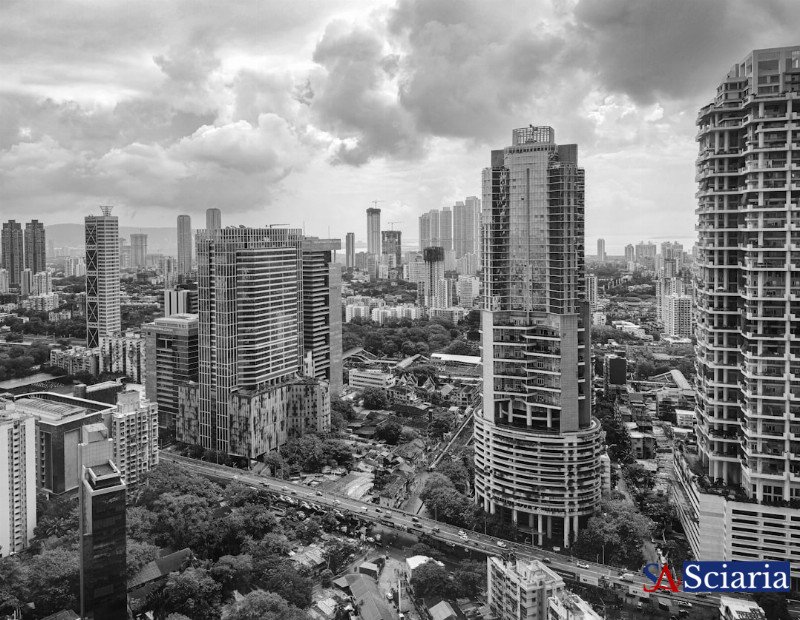
The relentless march of urbanization has often been synonymous with the erasure of nature. Concrete, steel, and glass dominate, pushing flora and fauna to the margins. Yet, a transformative movement is gaining traction: rewilding the metropolis. This isn't just about planting a few trees; it's about strategically reintroducing wild elements, restoring ecological processes, and creating thriving pockets of biodiversity within our bustling cities. It's a bold vision where nature doesn't just survive in the concrete jungle, but actively thrives, reshaping our urban experience for the better.
Why is this vital? The benefits of rewilding urban spaces are multifaceted and profound. For starters, it’s a powerful tool against biodiversity loss, offering crucial habitats for pollinators, birds, and small mammals that struggle in highly managed environments. Beyond ecological gains, urban rewilding significantly improves human well-being. Access to nature has been linked to reduced stress, improved mental health, and enhanced physical activity. Furthermore, these green interventions play a crucial role in climate resilience, mitigating the urban heat island effect, managing stormwater runoff more effectively, and improving air quality – all pressing concerns for rapidly expanding urban populations.
From green roofs and vertical gardens transforming neglected facades into vibrant ecosystems, to the restoration of urban rivers and the creation of biodiverse pocket parks, the strategies for rewilding are diverse and innovative. Cities globally are embracing concepts like 'wildflower meadows' instead of manicured lawns, establishing wildlife corridors through repurposed infrastructure, and using native plant species to encourage local fauna. These projects aren't just aesthetically pleasing; they are functional ecosystems, reconnecting fragmented natural areas and fostering a deeper appreciation for local wildlife among urban dwellers. They demonstrate a shift from simply 'managing' urban green space to actively 'rewilding' it.
While challenges such as public perception, funding, and the allocation of prime urban real estate exist, the momentum for urban rewilding is undeniable. It represents a paradigm shift in how we envision and design our cities – not as separate from nature, but as integral parts of a larger ecosystem. Embracing rewilding means investing in healthier, more resilient, and more vibrant urban environments for future generations. It invites us all to look beyond the pavement and see the potential for wilderness to flourish, reminding us that even in the densest of cities, nature is always ready for a comeback.
Comments (0)
Rate This Blog
Top Blogs by Rating

Beyond Big Data: The Strategic...
By Sciaria

Beyond the Bustle: Unmasking t...
By Sciaria

The Wet Question: Unraveling H...
By Sciaria
Favorite Blog
Beyond Metal & Gears: Explorin...
By Sciaria

Is 'Good Enough' Ever Enough?...
By Sciaria

Atmospheric Rivers: Unveiling...
By Sciaria
Related Research
Floristic survey at belle isle at the deep fork river in oklahoma city, oklahoma
Recommending mathematics learning applications for students: a comprehensive approach using multi-attribute utility theory (maut)
Aleakator: hdl mixed-domain simulation for masked hardware & software formal verification
Share
Notice Board
- EREIGNISGESCHICHTE UND REZEPTIONSGESCHICHTE; EINIGE EHER RHAPSODISCHE ÜBERLEGUNGEN
- C4.5 ALGORITHM OPTIMIZATION AND SUPPORT VECTOR MACHINE BY APPLYING PARTICLE SWARM OPTIMIZATION FOR CHRONIC KIDNEY DISEASE DIAGNOSIS
- ETHICAL AND DISCIPLINE RESPONSIBILITY OF POLICE MEMBERS INVOLVED IN DRUG ABUSE FROM THE POLICE MERANTI ISLANDS
 Sciaria Research