Beyond the Vitals: Reading the Unwritten Chart – A Nurse's Secret Skill
- Sciaria
- Nursing
- Feb 07, 2026
- 0 Comments
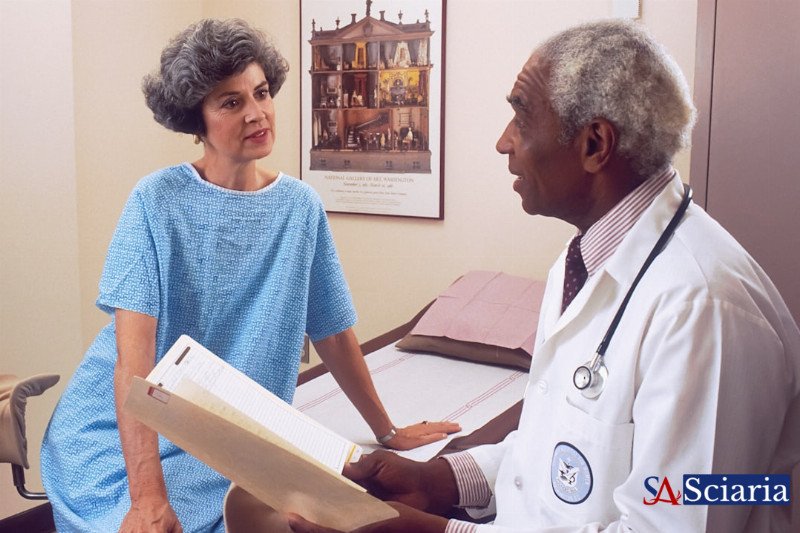
In the bustling world of healthcare, electronic health records (EHRs) are the bedrock of patient information. Nurses meticulously document vital signs, medications, and interventions, ensuring every critical detail is captured. Yet, beyond these carefully entered data points lies a deeper, often unspoken narrative: the "unwritten chart." This is the secret skill of expert nurses – the ability to interpret subtle cues, unspoken words, and environmental factors that reveal far more about a patient's true condition than any single lab result or doctor's note. It's the art of seeing what isn't explicitly documented, and it's absolutely crucial for truly holistic and proactive patient care.
So, what exactly constitutes this elusive unwritten chart? It encompasses a vast array of observations that often go unnoticed by the untrained eye. Think about a patient's body language – a subtle slump, restless hands, a fixed gaze, or an unusual stillness. Consider their tone of voice, a hesitation, an uncharacteristic silence, or a sudden change in demeanor during conversation. It includes the dynamics of family interactions at the bedside, the tidiness (or lack thereof) of a patient's room, or the positioning of personal belongings. It's also the "feeling" a nurse gets when something just isn't right, a gut instinct honed over years of experience that flags potential problems before they escalate into documented crises. These seemingly small details paint a vivid picture that complements, and sometimes even contradicts, the official record.
Reading the unwritten chart isn't just an interesting parlor trick; it's a vital component of patient safety and effective intervention. This profound skill allows nurses to anticipate needs, detect early signs of deterioration, and advocate fiercely for their patients. For instance, a nurse might notice a patient's increasing anxiety despite stable vital signs, prompting a crucial conversation about their fears or discomfort that could prevent a panic attack. Or perhaps, observing a family's unspoken tension might lead to a more sensitive approach to care planning and communication. By integrating these nuanced observations with the documented data, nurses provide truly personalized care, prevent complications, and ultimately improve patient outcomes. It’s the difference between merely treating a disease and caring for a whole person.
Developing the ability to read the unwritten chart is not something taught in a textbook; it's cultivated through relentless observation, active listening, critical thinking, and profound empathy. It's about being fully present with patients, asking probing questions, and trusting one's professional instincts refined over countless clinical hours. While EHRs provide essential data, the unwritten chart offers context, nuance, and humanity. It reminds us that patient care extends far beyond numbers and checkboxes. It is this extraordinary capacity to connect, observe, and interpret the subtle symphony of human experience that elevates nursing from a profession to an art, making nurses truly indispensable champions for health and well-being.
Comments (0)
Rate This Blog
Top Blogs by Rating

The Paradox of Political Apath...
By Sciaria
Beyond the Desk: Uncovering Yo...
By Sciaria

The Unseen Forecast: Decoding...
By Sciaria
Favorite Blog
Rewiring Life: The Optogenetic...
By Sciaria

Beyond DRY: Embracing Strategi...
By Sciaria

The Algorithm: Your Next Human...
By Sciaria
Related Research
Old wine in new bottles? kartabhaja (vaishnava) converts to evangelical christianity in bengal, 1835–1845
Welcome fest postgrado 2025: comienza tu experiencia uees online
Comparison of principal component analysis and random forest algorithm for predicting housing prices
Share
Notice Board
- STUDI KASUS PENERAPAN FOOT EXERCISE UNTUK PENINGKATAN NILAI ANKLE BRACHIAL INDEX (ABI) PASIEN DIABETES MELITUS TIPE 2
- IMPLEMENTATION OF DISCRETE WAVELET TRANSFORM AND DIRECTED ACYCLIC GRAPH SVM FOR BATIK PATTERN RECOGNITION
- PENGARUH PENDAPATAN ASLI DAERAH, DANA ALOKASI UMUM, DAN LUAS WILAYAH TERHADAP BELANJA MODAL DENGAN PERTUMBUHAN EKONOMI SEBAGAI VARIABEL MODERASI
 Sciaria Research