Beyond the Skyline: Decoding the Urban Echo Chamber
- Sciaria
- Urbanization
- Jul 31, 2026
- 0 Comments
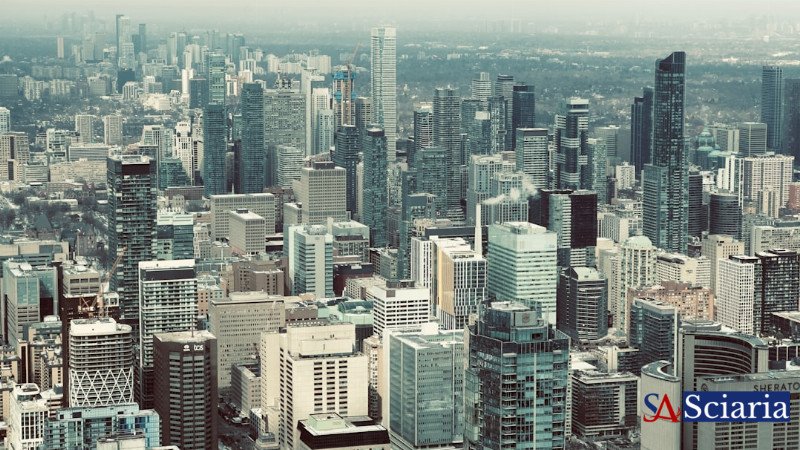
Cities are vibrant crucibles of culture, innovation, and human connection, promising a melting pot of ideas and perspectives. Yet, beneath the bustling facade of diversity, an intriguing paradox emerges: the urban echo chamber. While bringing millions together, our metropolitan landscapes can inadvertently shape our thoughts, reinforcing existing beliefs and limiting exposure to truly different viewpoints. Far from being a random collection of people, cities are complex systems that actively curate our social and intellectual environments.
This phenomenon isn't solely a product of digital algorithms; it's deeply embedded in the physical and social fabric of urban life. Think about it: people often gravitate towards neighborhoods that reflect their socioeconomic status, cultural preferences, or professional inclinations. Artists flock to creative districts, tech professionals to innovation hubs, and families to specific suburban enclaves. This 'self-sorting' is amplified by urban planning, zoning laws, and infrastructure, which can unintentionally segregate communities. Within these micro-climates, local media, community groups, and even daily commutes become echo chambers, repeatedly affirming a particular worldview and subtly filtering out dissenting voices.
The consequences of living within an urban echo chamber can be profound. When our daily interactions primarily reinforce our existing thoughts, it can lead to confirmation bias, hindering critical thinking and empathy towards those outside our immediate bubble. This cognitive narrowing can stifle innovation, fuel polarization in civic discourse, and create an illusion of consensus where none truly exists. We might believe our city is universally progressive or conservative, unaware that our perception is merely a reflection of our immediate, curated surroundings, rather than the broader urban tapestry.
Breaking free from the urban echo chamber requires conscious effort. It means intentionally stepping outside our usual routines, exploring neighborhoods unlike our own, engaging with community initiatives that span diverse demographics, and seeking out information from varied local sources. Cities have an unparalleled potential to foster genuine intellectual growth and understanding, but only if we actively seek to cross the invisible boundaries they sometimes create. By embracing the full spectrum of urban life, we can transform our cities from echo chambers into true crucibles of diverse thought, enriching our minds and strengthening our communities.
Comments (0)
Rate This Blog
Top Blogs by Rating
Beyond the Forbidden: When His...
By Sciaria

Is Your 'Healthy' Breakfast Se...
By Sciaria
Beyond Back Pain: Is Your Ergo...
By Sciaria
Favorite Blog
Beyond the Hype: Unmasking Big...
By Sciaria
The Unseen Architects: How Cit...
By Sciaria

Is Taste a Lie? Unpacking the...
By Sciaria
Related Research
Estetika lingkungan melalui penataan serta pengadaan plat nomor rumah penduduk di lingkungan lapatete kelurahan padduppa
Essay test integrated with socio-scientific project-based learning for scientific argumentation
Un gaucho sin gaceta
Share
Notice Board
- APPLICATION OF NATURAL SCIENCE IN EVERYDAY LIFE: FROM THEORY TO POSITIVE IMPACTS ON QUALITY OF LIFE
- THE READER INTERPRETATION OF DEATH'S CONCEPT 'BECAUSE I COULD NOT STOP FOR DEATH' POEM BY DICKINSON
- THE LITHIC ASSEMBLAGE OF VAREMENI GOULON (KOZANI DISTRICT, NORTHERN GREECE): RAW MATERIAL EXPLOITATION, TOOL PRODUCTION, AND MICROWEAR ANALYSIS
 Sciaria Research