The Urban Heat Island Effect: Is Your City Changing Its Own Weather?
- Sciaria
- Meteorology
- Jul 19, 2026
- 0 Comments
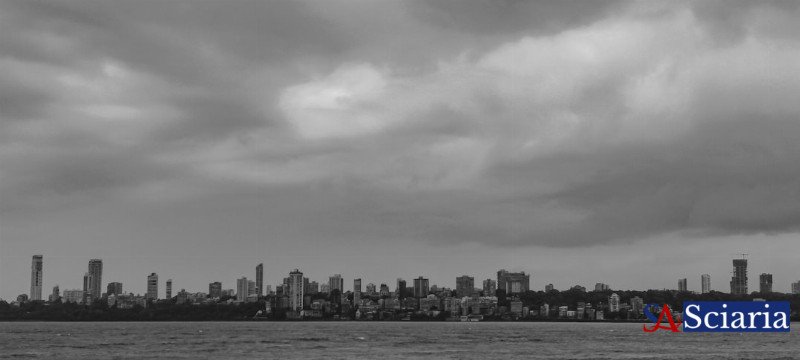
Ever notice how much hotter it feels in the city compared to the rural outskirts? It's not just your imagination. Our sprawling urban centers are complex ecosystems, and their very existence profoundly influences the local atmosphere. Far from being passive observers of weather, cities are active participants, often modifying the very conditions above them. This phenomenon, known as the Urban Heat Island (UHI) effect, is a stark reminder of human impact on our planet, right down to the weather in our own backyards.
The UHI effect arises from a combination of factors. Dark surfaces like asphalt roads and concrete buildings absorb and store more solar radiation than natural landscapes, releasing it slowly at night. The lack of vegetation means less evapotranspiration, which cools the air in rural areas. Tall buildings also create canyons that trap heat and alter wind flow, preventing natural cooling. Furthermore, waste heat generated by vehicles, industrial activities, and air conditioning systems adds to the thermal load, especially during peak energy use. These combined elements create a distinct "heat island" where urban temperatures are significantly higher than surrounding non-urban areas.
While heat is the most prominent feature, cities can also influence local precipitation patterns. The increased heat can enhance atmospheric instability, leading to more frequent or intense thunderstorms downwind of urban areas. Aerosols from pollution can also act as cloud condensation nuclei, potentially altering droplet formation. The altered wind patterns around tall buildings can create turbulence and affect the dispersion of pollutants, contributing to reduced air quality and smog formation, especially on hot, stagnant days.
The consequences of these urban-induced weather changes are significant. Higher temperatures lead to increased energy consumption for cooling, strain on power grids, and a greater risk of heat-related illnesses and mortality during heatwaves. They also impact local ecosystems and biodiversity. Addressing the UHI effect requires a multi-faceted approach: promoting green infrastructure like parks and green roofs, using cool pavements and reflective building materials, improving urban planning for better air circulation, and integrating sustainable transportation solutions.
So, yes, your city is indeed changing its own weather. Understanding these microclimates isn't just an academic exercise; it's crucial for designing more resilient, sustainable, and livable cities for the future. By recognizing our profound influence, we can begin to mitigate the adverse effects and create urban environments that live in greater harmony with their natural surroundings.
Comments (0)
Rate This Blog
Top Blogs by Rating

The Unsung Heroes: How Everyda...
By Sciaria

The Algorithm: Your Next Human...
By Sciaria
The Gamification of Governance...
By Sciaria
Favorite Blog

Ghost Forests & Drowned Cities...
By Sciaria

The Compass You Didn't Know Yo...
By Sciaria

Beyond the Forbidden: When His...
By Sciaria
 Sciaria Research