The Silent Aftermath: Unpacking Disaster's Long Tail Impacts
- Sciaria
- Disaster
- Feb 13, 2026
- 0 Comments
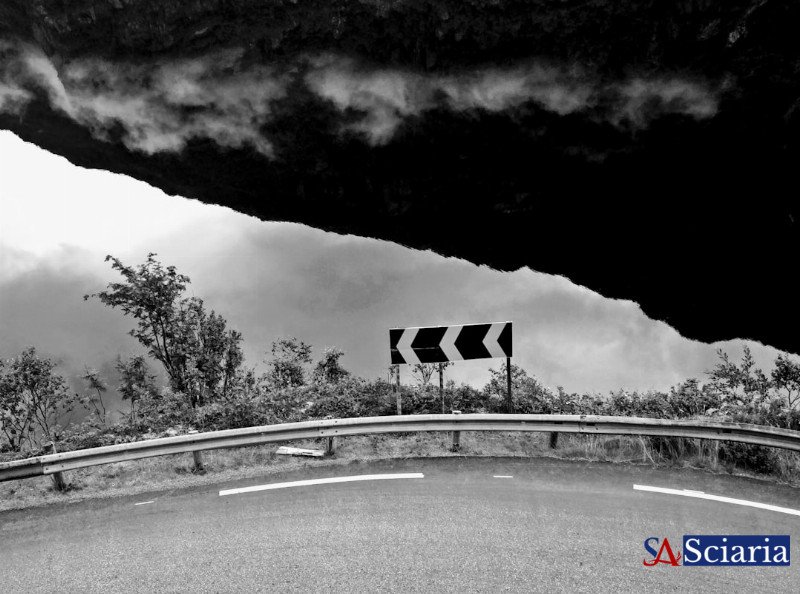
When a disaster strikes, our immediate focus often lies on the dramatic initial impact – the collapsed buildings, the flooded streets, the urgent rescue efforts. News cycles move quickly, highlighting the immediate devastation and heroic responses. We see the immediate need for relief, the courage of first responders, and the outpouring of global sympathy. But what happens after the cameras leave, the initial shock subsides, and the world's attention shifts elsewhere?
This is where 'disaster's long tail' begins to unfurl. It refers to the enduring, often less visible, and complex consequences that extend far beyond the immediate event. These aren't just one-off incidents; they are systemic challenges that ripple through communities, economies, and environments for months, years, or even decades. It's the silent aftermath, slowly reshaping the landscape and lives of those affected, requiring a sustained and nuanced understanding that goes beyond the headlines.
Consider the myriad forms these ripples take. The psychological toll, for instance, can be immense: post-traumatic stress disorder, anxiety, and depression can plague survivors long after the physical threat has passed, impacting mental health and overall well-being. Economically, businesses might struggle with supply chain disruptions, lost customer bases, and insurmountable rebuilding costs, leading to long-term unemployment, poverty, and a complete reshaping of local economies. Environmentally, ecosystems can suffer irreversible damage, affecting agriculture, clean water access, and biodiversity for generations. Socially, community bonds can fray, leading to displacement, altered demographics, a loss of cultural heritage, and persistent social inequalities.
Recognizing this long tail is crucial for effective disaster preparedness, response, and true recovery. A truly resilient community doesn't just bounce back quickly; it builds robust systems and sustainable strategies to address these lingering impacts. This requires sustained support, adaptive policies, long-term funding, and a fundamental shift in perspective from short-term relief to comprehensive reconstruction and socio-economic rebuilding. Ignoring the long tail often leads to secondary crises, hinders genuine recovery, and leaves communities vulnerable to future events, creating a cycle of hardship.
The unseen ripple of disaster demands our sustained attention, empathy, and strategic foresight. By understanding the breadth and depth of its long-term effects, we can move beyond superficial responses to foster deeper resilience, support comprehensive healing, and build stronger, more sustainable communities. Our collective commitment must extend far beyond the initial emergency, recognizing that the journey to recovery is a marathon, not a sprint, and that genuine healing unfolds in the quiet aftermath, long after the world has seemingly moved on.
Comments (0)
Rate This Blog
Top Blogs by Rating

The Ghost Light's Enduring Glo...
By Sciaria

The Detective Mindset: Why Acc...
By Sciaria

Mimicry Masters: Nature's Dece...
By Sciaria
Favorite Blog

The Unexpected Geometry of You...
By Sciaria

The Hidden Cost of Easy: Unpac...
By Sciaria

The Ghost in the Machine: When...
By Sciaria
Related Research
¿una ue libre de pieles? reflexiones jurídicas y políticas sobre la prohibición de la cría de animales destinados a la producción de pieles en polonia a partir de 2025
Evaluation of counterterrorism policy in poso district, central sulawesi province
Published ecloud'10 proceedings
Share
Notice Board
- PENGARUH GREEN ACCOUNTING DAN FREE CASH FLOW TERHADAP NILAI PERUSAHAAN DENGAN GREEN INTELLECTUAL CAPITAL SEBAGAI VARIABEL MODERASI
- ANALYSIS OF USER ACCEPTANCE OF SEABANK SERVICES USING THE TECHNOLOGY ACCEPTANCE MODEL (TAM) APPROACH
- ANALISIS CAMPUR KODE DALAM VIDEO BERJUDUL “WRITING” PADA KANAL YOUTUBE RINTIK SEDU
 Sciaria Research