Sacred Discomfort: Embracing Theological Tension for Deeper Faith
- Sciaria
- Theology
- Jun 20, 2026
- 0 Comments
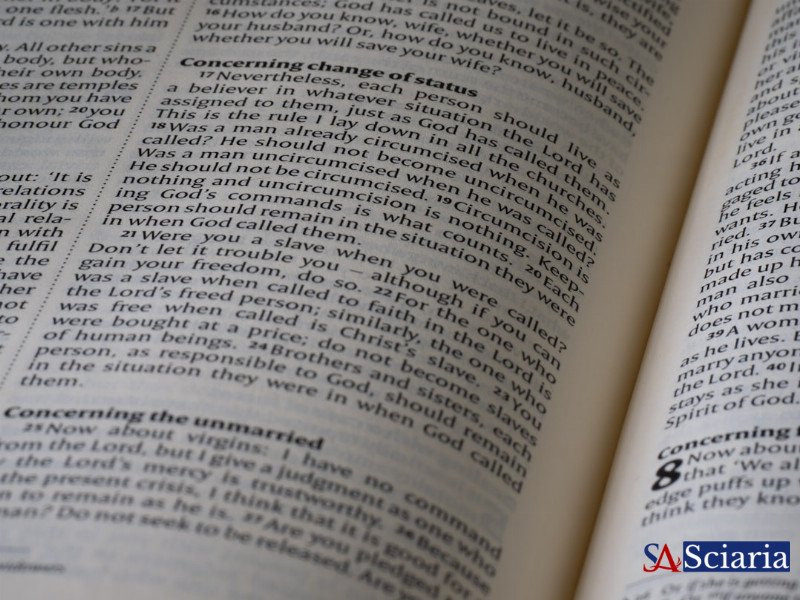
In an ever-changing world, the human heart often craves certainty, especially within matters of faith. We seek neat answers, clear doctrines, and comfortable narratives that soothe our anxieties. Yet, true spiritual growth often beckons us away from the well-trodden paths of comfortable conviction and into the intriguing, sometimes challenging, landscape of theological tension. This isn't a sign of weakness; it's an invitation to what we might call 'sacred discomfort' – a holy unease that propels us toward a richer, more nuanced understanding of the divine.
The inclination to resist discomfort is natural. We fear that unresolved questions or apparent paradoxes might unravel the very fabric of our belief. But what if these tensions aren't flaws to be fixed, but integral features of grappling with an infinite God? Throughout history, mystics and theologians have understood that the divine often reveals itself not in simple propositions, but in paradoxes that transcend human logic. Embracing the 'mystery' means acknowledging that our finite minds cannot fully contain the infinite, and that the space between seemingly opposing truths can be a fertile ground for profound spiritual exploration, rather than a void to be feared.
When we courageously lean into theological tension – whether it's the interplay of divine sovereignty and human free will, the problem of evil, or the nature of God’s justice and mercy – we unlock a more robust and resilient faith. This embrace fosters profound humility, reminding us of the limits of our own understanding and cultivating a greater openness to different perspectives. It moves us beyond a superficial acceptance of dogma to a wrestling that hones our spiritual muscles, deepens our empathy, and cultivates a faith capable of navigating life's inherent complexities. Far from eroding belief, sacred discomfort invites us into a dynamic, evolving relationship with truth, where questions become prayers and tensions illuminate new pathways to understanding.
So, the next time you encounter a theological concept that challenges your assumptions or creates an uncomfortable paradox, resist the urge to quickly resolve or dismiss it. Instead, consider it a sacred invitation. It's in these spaces of tension, in the willingness to sit with the uncomfortable, that our faith often finds its deepest roots, its broadest branches, and its most profound expressions. Embracing theological tension isn't about abandoning truth; it's about pursuing a truth so vast and multifaceted that it demands our continuous, humble, and ultimately rewarding engagement.
Comments (0)
Rate This Blog
Top Blogs by Rating

The Hidden Cost of Easy: Unpac...
By Sciaria

Mastering the Pivot: The Strat...
By Sciaria

The Human Battery: Your Intern...
By Sciaria
Favorite Blog

From Pills to Pixels: How Tech...
By Sciaria

Civic Ghosts: The Invisible Ar...
By Sciaria

Rewiring Life: The Optogenetic...
By Sciaria
 Sciaria Research