Mimicry Masters: Nature's Deceptive Geniuses in the Wild
- Sciaria
- Zoology
- Mar 17, 2026
- 0 Comments
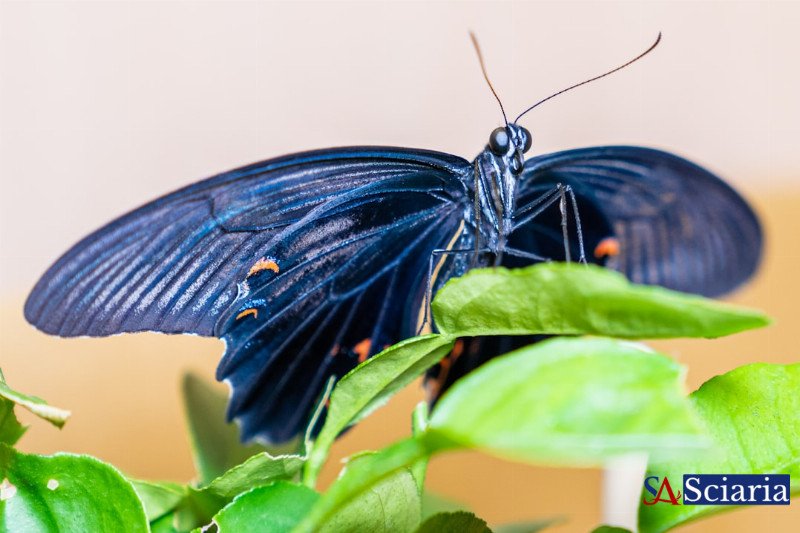
Imagine a creature that can instantly transform its identity, not with a magic wand, but through an astonishing feat of evolution. Welcome to the captivating world of mimicry, where animals are the ultimate illusionists, adopting the appearance, sounds, or behaviors of other species for survival. This isn't just about blending in; it's about strategic deception, a high-stakes game played out in every corner of the planet.
Mimicry manifests in fascinating ways, primarily divided into two main categories. One form, known as Batesian mimicry, involves a harmless species evolving to resemble a dangerous or unpalatable one. Think of the delicate hoverfly, which, despite its harmless nature, sports the striking black and yellow stripes of a stinging wasp, effectively deterring potential predators. The predator learns to avoid the 'wasp' and, by extension, the mimic. Then there's Müllerian mimicry, a cooperative deception where two or more unpalatable or dangerous species evolve to share similar warning signals, reinforcing the message to predators that they are best avoided. For instance, various species of distasteful Heliconius butterflies often display similar vibrant wing patterns, creating a powerful collective warning.
Beyond these classic forms, the animal kingdom offers countless examples of truly mind-bending mimicry. The leaf-tailed geckos of Madagascar are virtually indistinguishable from dead leaves, complete with jagged edges and vein-like patterns, disappearing into their arboreal homes. Stick insects (Phasmatodea) take this concept further, perfectly emulating twigs, leaves, and even thorns. Perhaps one of the most incredible mimics is the mimic octopus (Thaumoctopus mimicus), capable of impersonating over a dozen different marine animals, from lionfish and sea snakes to jellyfish, adjusting its color, shape, and movement to suit the threat or opportunity at hand.
This elaborate art of deception is a powerful testament to the relentless force of natural selection. Over countless generations, individuals with more effective mimetic traits have a greater chance of surviving and reproducing, passing on those advantageous genes. It’s an evolutionary arms race, with mimics constantly refining their disguises as predators or prey become more adept at spotting the fakes. The intricate beauty and staggering effectiveness of mimicry underscore the boundless creativity and adaptive power of life on Earth, reminding us that in nature, appearances can be incredibly deceiving.
Comments (0)
Rate This Blog
Top Blogs by Rating

The Algorithm: Your Next Human...
By Sciaria

The Social Prescription: Why C...
By Sciaria

Beyond the Balance Sheet: Why...
By Sciaria
Favorite Blog

Are Human Rights a Luxury? Unp...
By Sciaria

Beyond the Noise: Uncovering P...
By Sciaria

Embracing the Divine Glitch: H...
By Sciaria
Related Research
Diffusion analysis of innovation in the implementation of hygiene programs: a case study of the bangkalan initiative
Bina'u al-nash al-syi'rii fi diwan ibni al-arandas al-hilli
Blockchain offline untuk pertanian presisi: integrasi internet of everything (ioe) di daerah terpencil
Share
Notice Board
- REDESIGNING THE MULTI-PURPOSE COMMUNITY HALL IN PETOMPON, SEMARANG
- LES FORMULES POLICIèRES DANS LE ROMAN L’INCONNUE DE LA SEINE DE GUILLAUME MUSSO: UNE éTUDE DE LITTéRATURE POPULAIRE JOHN G. CAWELTI
- DEVELOPMENT OF VIRTUAL LABORATORY AS AN INTERACTIVE MEDIUM TO ADDRESS PHYSICS MISCONCEPTIONS ON THE DOPPLER EFFECT TOPIC
 Sciaria Research